What Is Metallic Epoxy Floor Coating?
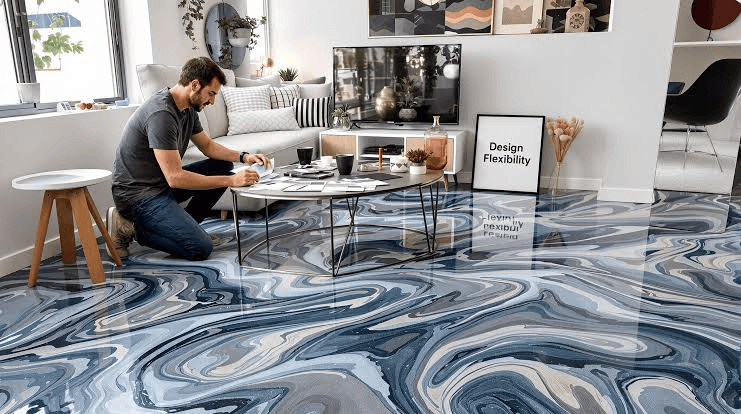
Metallic epoxy floor coating is a decorative flooring system that combines epoxy resin with specially formulated metallic pigments. These pigments create a three-dimensional appearance that can resemble marble, flowing water, natural stone, clouds, or other unique patterns. Unlike traditional solid-color epoxy floors, metallic epoxy creates depth and movement, making every finished floor visually distinctive.
This type of flooring is popular in homes, offices, showrooms, restaurants, retail spaces, garages, and commercial buildings. Its combination of visual appeal and durability makes it an attractive alternative to conventional flooring materials.
Key Benefits of Metallic Epoxy Floor Coating
One of the biggest advantages of metallic epoxy flooring is its appearance. The reflective pigments can produce a luxurious finish that immediately changes the look of a room. Because the pigments move and blend during installation, no two floors have exactly the same pattern.
Metallic epoxy is also highly durable when properly installed and maintained. The cured surface can resist everyday wear, making it suitable for areas that experience regular foot traffic. It can also provide a smooth, seamless surface without grout lines where dirt and debris can collect.
Another benefit is customization. Homeowners and businesses can choose from different colors, pigment combinations, patterns, and finishes. This allows the flooring to complement a wide range of interior designs.
How Metallic Epoxy Flooring Works
A metallic epoxy floor coating generally consists of multiple layers. The existing concrete surface is first prepared to remove contaminants, weak material, coatings, and other substances that could interfere with adhesion.
A suitable primer may then be applied to improve bonding between the concrete and epoxy system. After that, the metallic epoxy mixture is spread across the floor. Metallic pigments are manipulated while the coating is still workable to create the desired visual effect.
Once the epoxy cures, a protective topcoat can be applied. The topcoat helps protect the decorative layer from scratches, stains, chemicals, and everyday use while also influencing the final appearance of the floor.
Surface Preparation Is Important
Proper surface preparation is one of the most important parts of a successful metallic epoxy installation. Even a high-quality epoxy product may fail if it is applied over an unsuitable surface.
Concrete should generally be clean, dry, and structurally sound. Existing coatings, grease, oil, dust, and loose materials may need to be removed. Mechanical preparation methods can help create a suitable surface profile for epoxy adhesion.
Cracks and other concrete imperfections should also be evaluated and repaired when appropriate. Moisture can be another important consideration because excessive moisture beneath an epoxy system may cause adhesion problems, bubbling, or other coating failures.
Where Can Metallic Epoxy Be Used?
Metallic epoxy floor coating can be used in many residential and commercial environments. In homes, it can be installed in garages, basements, kitchens, living areas, and entertainment spaces.
Businesses may use metallic epoxy in showrooms, offices, boutiques, restaurants, salons, reception areas, and other spaces where appearance matters. Its seamless appearance can create a modern and premium atmosphere.
However, the specific epoxy system should always be selected according to the environment. Factors such as moisture, traffic, chemical exposure, temperature, and expected use can influence which coating system is appropriate.
Metallic Epoxy vs. Traditional Epoxy Flooring
Traditional epoxy flooring is often available in solid colors or simple decorative patterns. It is commonly selected for durability, easy maintenance, and practical performance.
Metallic epoxy provides many of the same basic benefits while offering a more decorative appearance. The metallic pigments create visual depth and movement that standard solid-color epoxy does not normally provide.
The choice depends on the project’s goals. A warehouse or utility area may prioritize functionality and cost, while a showroom or luxury residential space may place greater emphasis on appearance and customization.
Maintenance and Cleaning
One reason metallic epoxy flooring is attractive to property owners is its relatively simple maintenance requirements. The seamless surface can make routine cleaning easier because there are no traditional grout joints.
Regular sweeping or dust removal can help prevent abrasive particles from remaining on the floor. When necessary, the surface can generally be cleaned with an appropriate mild cleaning solution recommended for the specific coating system.
Harsh chemicals, abrasive cleaning tools, or unsuitable products should be avoided unless the coating manufacturer confirms that they are safe. Using appropriate cleaning methods can help preserve the floor’s appearance and protective finish.
How Long Does Metallic Epoxy Flooring Last?
The lifespan of a metallic epoxy floor depends on several factors, including surface preparation, product quality, installation technique, traffic levels, maintenance, and the type of protective topcoat used.
A professionally installed system with proper preparation and maintenance can provide long-term performance. However, no flooring coating is completely immune to wear. Heavy traffic, impact, abrasive materials, and improper cleaning can gradually affect the finish.
Choosing an experienced installer and using products designed for the intended environment can significantly improve the overall performance of the flooring system.
Cost of Metallic Epoxy Floor Coating
The cost of metallic epoxy flooring can vary considerably from one project to another. Factors may include the condition of the existing concrete, floor size, required repairs, design complexity, materials, labor, number of coating layers, and selected topcoat.
Simple projects may be less expensive, while highly customized designs can require additional labor and materials. Before starting a project, property owners should request a detailed quotation that explains preparation, materials, installation, and finishing work.
Comparing several qualified contractors can also help property owners understand the expected price range and identify differences in the proposed flooring systems.
Choosing a Professional Installer
The quality of installation can have a major impact on the final result. When choosing an epoxy flooring contractor, look for experience with decorative metallic systems rather than relying only on general flooring experience.
Ask to see examples of completed projects and discuss the expected design before installation begins. A professional should also explain surface preparation, moisture considerations, coating layers, curing requirements, and maintenance recommendations.
It is also useful to confirm what products will be used and whether the proposed system is suitable for the intended location.
Final Thoughts
Metallic epoxy floor coating offers a combination of decorative style, durability, and customization that makes it an appealing flooring solution for many residential and commercial spaces. Its unique metallic patterns can transform an ordinary concrete floor into a visually striking surface.
Successful results depend on more than the appearance of the epoxy itself. Proper surface preparation, suitable materials, professional installation, and regular maintenance all contribute to the performance and longevity of the finished floor.
For property owners looking for a modern and distinctive flooring option, metallic epoxy can provide an attractive alternative to traditional flooring while offering a seamless and easy-to-maintain surface.