A smart pedestrian crossing system is an advanced road safety solution that uses sensors, intelligent controls, warning lights, and communication technologies to make pedestrian crossings more visible and responsive. Traditional crossings depend heavily on fixed signs, painted road markings, traffic signals, and driver attention. Smart systems add technology that can react to real-time pedestrian and traffic conditions.
As urban populations grow, roads often become busier and more complex. Pedestrians need safe and convenient ways to cross roads, while drivers need clear information about pedestrian activity. A smart pedestrian crossing system can help bridge this gap by providing timely visual and, where appropriate, audible warnings.
These systems can be used near schools, shopping centers, residential streets, transport stations, hospitals, business districts, and busy intersections. The exact technology depends on the location and its safety requirements.
What Is a Smart Pedestrian Crossing System?
A smart pedestrian crossing system combines conventional crossing infrastructure with electronic and digital technologies. Its purpose is to improve awareness and help manage interactions between pedestrians and vehicles.
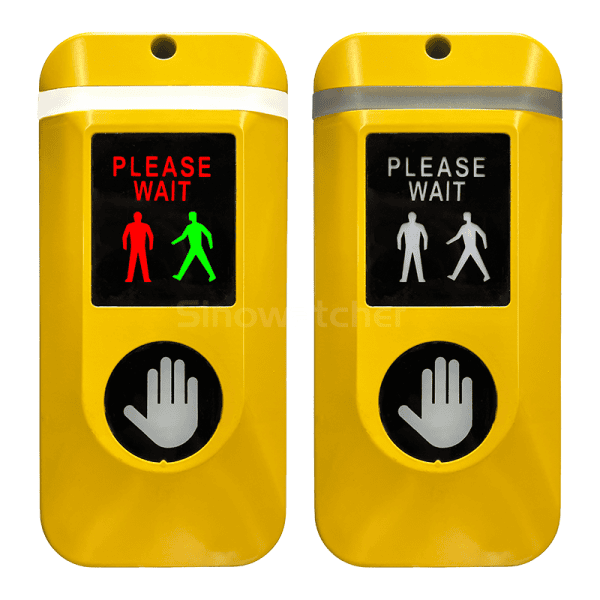
Depending on the installation, the system may include motion sensors, radar, cameras, push buttons, LED lights, traffic signals, audible alerts, and control software.
Instead of operating only according to a fixed schedule, some systems can respond when a pedestrian approaches. For example, warning lights may activate when a person enters a detection zone.
This responsive approach can provide drivers with an additional visual indication that pedestrians are present.
Why Smart Pedestrian Crossings Matter
Pedestrian crossings can become challenging when traffic is heavy or visibility is poor. Drivers may not always notice someone waiting beside the road.
Static signs and road markings remain important, but active warning systems can provide an additional layer of information.
A smart pedestrian crossing system can make a crossing more noticeable by activating lights or signals when pedestrian activity is detected.
These systems can also provide useful information for traffic planners. Depending on the technology and local rules, crossing activity data may help authorities understand pedestrian demand and identify locations that require further improvements.
How a Smart Pedestrian Crossing System Works
A smart crossing generally starts with detection.
Sensors identify a pedestrian approaching or entering the crossing area. Some systems use radar, cameras, infrared sensors, pressure-sensitive technology, or push buttons.
The detection information is sent to a control unit. The controller determines the appropriate response based on programmed rules.
Warning lights or signs can then become active. At signalized intersections, the system may coordinate with traffic signals to provide a pedestrian crossing phase.
Once the crossing activity ends, the system can return to its normal operating condition.
The exact process depends on the crossing design and local traffic regulations.
Main Components of a Smart Crossing
A smart pedestrian crossing system can contain several integrated components.
Pedestrian detection sensors identify people near or within the crossing area.
Vehicle detection technology can monitor approaching traffic and provide additional information to the control system.
LED warning lights attract driver attention and improve crossing visibility.
Traffic signals control right-of-way at signalized locations.
Control units process sensor information and coordinate system functions.
Communication equipment can connect individual crossings to centralized traffic management platforms.
Other components may include illuminated road studs, digital signs, audible alerts, tactile indicators, and remote monitoring systems.
Pedestrian Detection Technology
Detection accuracy is a key factor in smart crossing performance.
Radar-based systems can detect movement and may work in different lighting conditions. Camera-based systems can provide visual information and support more advanced detection functions.
Infrared sensors can detect movement within defined areas. Push buttons give pedestrians direct control and can be combined with automatic detection.
The appropriate technology depends on road conditions, pedestrian patterns, environmental factors, privacy considerations, and the desired system functionality.
A proper site assessment should be completed before selecting detection equipment.
Intelligent LED Warning Systems
LED technology is widely used in modern pedestrian safety equipment. Bright LEDs can provide strong visual signals while using relatively little energy.
A smart pedestrian crossing system may activate flashing lights when a pedestrian is detected. Road-level lights can also be used to draw attention to the crossing area.
Some systems include illuminated signs that remain inactive during periods without pedestrian activity and activate when a person approaches.
These features can make crossings more visible, particularly during nighttime or other reduced-visibility conditions.
Smart Traffic Signals
Traffic signals are another important part of intelligent pedestrian infrastructure.
At signalized intersections, a smart system can detect pedestrian demand and manage crossing phases accordingly.
A pedestrian may activate a signal using a push button, while sensors can provide additional information about movement.
Some advanced systems can use traffic information to coordinate pedestrian phases with wider traffic management operations.
The design must always follow applicable traffic regulations and provide clear instructions to both pedestrians and drivers.
Benefits of Smart Pedestrian Crossings
A smart pedestrian crossing system can provide several potential advantages.
Improved Visibility
Active LED warnings can make pedestrian crossings more noticeable than static infrastructure alone.
Responsive Operation
Detection technology allows warning features to activate when pedestrians are present.
Better Traffic Coordination
Connected systems can communicate with traffic management equipment in suitable installations.
Accessibility
Audible signals and tactile features can make crossings easier to navigate for people with different needs.
Energy Efficiency
LED lighting and demand-based activation can help reduce unnecessary energy consumption.
Data Opportunities
Some systems can provide information about pedestrian activity that may support future transportation planning.
Applications in Urban Areas
Smart pedestrian crossings can be useful in many environments.
Busy city intersections often have significant pedestrian and vehicle activity. Smart warnings can provide additional information to road users.
Residential streets may benefit from responsive crossings where pedestrian activity changes throughout the day.
Shopping districts and entertainment areas can experience large pedestrian flows during particular periods.
Other potential locations include:
- Public transportation stations
- Hospitals
- Universities
- Parks
- Business districts
- Community centers
- Sports facilities
- Industrial areas
The system should be selected according to the specific risks and requirements of each location.
Smart Crossings Around Schools
School areas require special attention because children may have difficulty judging vehicle speed and distance.
A smart pedestrian crossing system can provide additional warnings when students approach a crossing.
Flashing LED signs, illuminated crossing points, pedestrian signals, and speed displays can be combined to create a more visible school-zone environment.
However, technology should complement appropriate speed limits, road markings, crossing supervision, and other traffic safety measures.
A site-specific assessment is important when designing crossings around schools.
Accessibility Features for Pedestrians
Accessibility should be included in smart crossing design.
Audible signals can provide crossing information to people with limited vision. Tactile paving can help guide pedestrians toward designated crossing points.
Clear visual signals can assist people who depend primarily on visual information.
Crossing timing should also be appropriate for the needs of the expected users.
A well-designed system should make the crossing understandable and accessible rather than simply adding more technology.
Energy-Efficient Crossing Technology
Energy consumption is an important consideration for modern infrastructure.
LED lighting can provide high visibility while requiring relatively low electrical power compared with some older lighting technologies.
Demand-based activation can further reduce energy use by operating warning systems when pedestrian activity is detected.
Solar-powered equipment may be suitable for selected locations where grid electricity is difficult to access.
Energy-efficient designs can reduce operating costs while supporting sustainable urban development.
Connectivity and Data Management
Connected pedestrian crossings can communicate with centralized traffic management platforms.
Remote connectivity may allow authorities to monitor system status and identify equipment problems.
Some systems can also provide information about pedestrian activity. This information may help transportation planners understand crossing demand at different times.
However, data collection should be carefully designed around privacy, cybersecurity, and applicable regulations.
The goal should be to use useful information without creating unnecessary data risks.
Maintenance and Reliability
Reliable operation is essential because pedestrian safety systems must function when needed.
Sensors, LED lights, control units, buttons, communication devices, and power supplies should be inspected regularly.
Dirt, weather exposure, physical damage, or equipment failure can reduce performance.
Remote monitoring can help identify certain technical problems quickly. Scheduled maintenance can also prevent minor issues from becoming major failures.
A smart crossing is only effective when its detection and warning features remain operational.
How to Select the Right System
Choosing a smart pedestrian crossing system requires an evaluation of the location.
Traffic speed, traffic volume, pedestrian numbers, road width, lighting, weather, and visibility should all be considered.
The detection technology should be appropriate for the environment.
Other factors include:
- Warning light visibility
- Accessibility requirements
- Energy consumption
- Weather resistance
- Communication capabilities
- Maintenance requirements
- Installation costs
- Local traffic standards
- Data protection
- Long-term operating expenses
Testing equipment under realistic conditions can help ensure reliable performance.
Future of Smart Pedestrian Crossing Technology
The future of pedestrian crossings is likely to involve greater connectivity and automation.
Artificial intelligence and advanced computer vision may improve pedestrian detection and traffic analysis. Connected vehicles may eventually receive information about active pedestrian crossings through compatible communication systems.
Smart-city platforms could also connect pedestrian crossings with traffic signals, public transportation, road sensors, and other infrastructure.
These developments may allow cities to manage pedestrian movement more intelligently while collecting information that supports better urban planning.
Conclusion
A smart pedestrian crossing system brings modern sensing, lighting, control, and communication technologies into pedestrian safety infrastructure. It can improve crossing visibility, provide responsive warnings, support accessibility, and contribute to more informed traffic management.
Successful implementation requires more than installing sensors and lights. Cities and organizations need to evaluate local traffic conditions, pedestrian behavior, accessibility requirements, maintenance needs, and applicable regulations.
When properly planned and maintained, smart pedestrian crossings can become an important part of modern transportation infrastructure, helping create safer, more visible, accessible, and connected road environments.