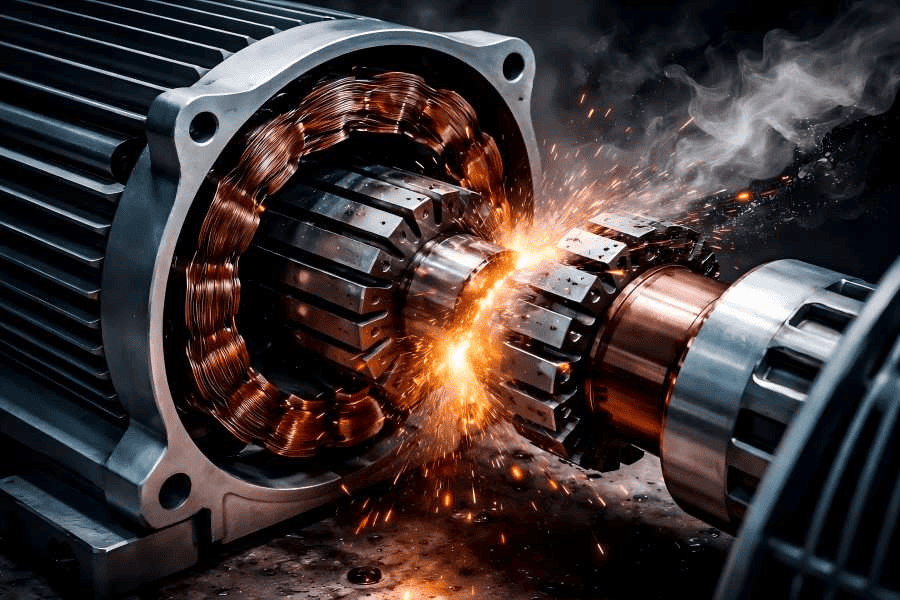
Graphite rotors and shafts are important industrial components used in demanding environments where heat, corrosion, friction, and chemical exposure can damage traditional metal parts. Graphite is valued for its unique physical and chemical properties. It can perform reliably at high temperatures, resist many corrosive materials, and provide good dimensional stability.
Industries such as metallurgy, chemical processing, semiconductor manufacturing, aerospace, and energy production use graphite components for specialized applications. A graphite rotor may be used to move, mix, or process molten materials, while a graphite shaft can transfer rotational motion and support equipment operating under difficult conditions.
Choosing the right graphite grade, design, and manufacturing process is essential. This article explains how graphite rotors and shafts work, their major benefits, common applications, manufacturing considerations, maintenance needs, and factors to consider before selecting them.
What Are Graphite Rotors and Shafts?
Graphite rotors and shafts are mechanical components manufactured from specialized grades of industrial graphite. Although both components may work together, they perform different functions within industrial equipment.
A graphite rotor is generally a rotating component designed to interact with gases, liquids, molten metals, or other materials. Depending on its application, the rotor may contain blades, channels, holes, or other engineered features. These features help create movement, mixing, circulation, or gas dispersion.
A graphite shaft is usually a long cylindrical component connected to the rotor. Its primary role is to transmit rotational force from a motor or drive system to the rotor. The shaft must maintain alignment and structural integrity during operation.
The exact design of graphite rotors and shafts depends on the equipment, temperature, operating speed, chemical environment, and mechanical load.
Why Graphite Is Used for Industrial Components
Graphite offers several properties that make it useful for demanding industrial applications. One of its most important advantages is its ability to perform at very high temperatures. Many metals can soften, oxidize, or lose strength under extreme heat, while specialized graphite materials can remain suitable for high-temperature environments under appropriate conditions.
Graphite also has excellent thermal stability. It can tolerate rapid temperature changes better than many brittle materials. This characteristic can be valuable in processes involving heating and cooling cycles.
Another benefit is its resistance to many chemicals and corrosive materials. This makes graphite useful in environments where metal components may experience rapid corrosion.
Graphite also has relatively low friction characteristics. In certain applications, this can reduce wear and improve operational efficiency.
Common Types of Graphite Used
Not all graphite materials have the same properties. Manufacturers select graphite grades based on the specific operating environment and performance requirements.
Extruded Graphite
Extruded graphite is produced by forcing a graphite mixture through a shaped die. It can be suitable for manufacturing long components, including certain shaft designs.
Isostatic Graphite
Isostatic graphite is manufactured using pressure applied uniformly in multiple directions. This process can create a fine and consistent material structure. It is often selected for precision applications.
Molded Graphite
Molded graphite can be produced in different densities and grain sizes. It may be used for industrial components that require specific mechanical or thermal characteristics.
Impregnated Graphite
Some graphite materials are impregnated with resins, metals, or other substances. This process can reduce porosity and improve resistance to certain fluids or operating conditions.
The correct grade depends on the application. Temperature, pressure, chemical exposure, mechanical stress, and dimensional requirements should all be evaluated.
Major Advantages of Graphite Rotors and Shafts
Graphite rotors and shafts provide several important advantages when used in appropriate operating conditions.
One major benefit is heat resistance. Graphite components can be used in high-temperature processes where conventional materials may struggle.
Another advantage is corrosion resistance. In chemical processing and molten material applications, graphite may offer a longer service life than certain metallic alternatives.
Graphite also provides good machinability. Manufacturers can create complex shapes, holes, grooves, threads, and other features using specialized machining methods. This flexibility allows engineers to design components for specific equipment.
Low density is another useful characteristic. Graphite is generally lighter than many metals, which may reduce the overall weight of rotating assemblies.
However, graphite is not suitable for every application. Its brittleness and mechanical characteristics must be considered carefully during design and installation.
Applications in Molten Metal Processing
One of the most recognized uses of graphite rotors and shafts is molten metal processing. In aluminum and other non-ferrous metal industries, graphite components can be used in systems designed for degassing, mixing, and treatment.
A graphite rotor may rotate beneath the surface of molten metal while introducing an inert gas. The rotation can help disperse the gas into smaller bubbles. This process may assist in removing unwanted gases or inclusions from the melt.
The graphite shaft connects the rotor to the drive mechanism and must withstand heat and chemical exposure. Proper alignment is essential because excessive vibration or bending forces can cause premature damage.
The performance of graphite rotors and shafts depends on several factors, including rotational speed, immersion depth, gas flow, temperature, and graphite grade.
Chemical Processing Applications
Chemical processing equipment often operates in highly corrosive environments. Acids, alkalis, and other chemicals can damage conventional materials over time.
Graphite components may be used where chemical resistance and thermal stability are required. Depending on the process, graphite shafts, seals, bearings, and rotating components can support reliable operation.
In some cases, impregnated graphite is selected to reduce permeability and improve resistance to fluid penetration. The selection process should consider the exact chemicals involved because resistance varies according to the graphite grade and operating conditions.
Engineers should also consider mechanical loads. Chemical resistance alone does not guarantee that a graphite component is suitable for an application.
Design Considerations for Graphite Shafts
Designing graphite shafts requires careful engineering. Graphite has different mechanical behavior from steel and other metals. It performs well under compression but can be more sensitive to impact and bending forces.
The shaft diameter must be large enough to handle the required torque and operating stresses. Long shafts may require additional support to reduce vibration and deflection.
Connection points also require special attention. Improper clamping or excessive tightening can create localized stress and cause cracking. Manufacturers may use specialized joining methods or protective assemblies to reduce these risks.
Surface finish is another important consideration. A properly machined surface can improve compatibility with bearings, seals, and connected components.
Manufacturing Process of Graphite Components
The production of graphite rotors and shafts usually begins with selecting the appropriate graphite grade. Engineers review the operating environment and determine the required density, grain size, strength, and thermal characteristics.
The raw graphite material is then machined using precision equipment. CNC machining may be used to create detailed shapes and tight tolerances. Rotors may require carefully positioned holes, grooves, blades, or channels.
After machining, the component may undergo inspection. Dimensional accuracy, surface quality, and structural integrity are checked before installation.
Some applications may require protective coatings or impregnation. These additional treatments can improve performance in specific environments.
Maintenance and Handling Requirements
Proper handling can significantly improve the service life of graphite rotors and shafts. Although graphite can tolerate extreme environments, it can be damaged by mechanical impact.
Workers should avoid dropping or striking graphite components. Storage areas should protect them from unnecessary physical damage and contamination.
During installation, alignment should be checked carefully. A misaligned shaft can create excessive stress and vibration. Operating conditions should also remain within the recommended limits.
Regular inspections can identify wear, cracking, erosion, or dimensional changes. Replacing a damaged component before complete failure can help prevent equipment downtime.
How to Choose the Right Graphite Rotors and Shafts
Selecting graphite rotors and shafts requires more than simply choosing a standard size. Buyers should evaluate the complete operating environment.
Important factors include:
- Operating temperature
- Chemical exposure
- Rotational speed
- Required torque
- Mechanical load
- Component dimensions
- Thermal cycling
- Expected service life
- Surface requirements
- Compatibility with connected equipment
Working with an experienced graphite manufacturer can help ensure that the selected material and design match the application.
Future Developments in Graphite Components
Industrial demand for advanced materials continues to grow. Manufacturers are developing improved graphite grades, coatings, impregnation methods, and precision machining techniques.
Modern industries require components that can operate longer, maintain tighter tolerances, and perform in increasingly demanding environments. Graphite rotors and shafts are likely to remain important because of their combination of thermal performance, chemical resistance, and design flexibility.
Advanced manufacturing methods may also allow for more customized component designs. This can help companies optimize performance and reduce unnecessary material use.
Conclusion
Graphite rotors and shafts are valuable components for industrial systems that operate under extreme temperatures, corrosive conditions, or specialized processing requirements. Their unique combination of thermal stability, chemical resistance, machinability, and low friction makes them suitable for a wide range of applications.
However, successful performance depends on choosing the correct graphite grade and engineering the component properly. Factors such as torque, vibration, temperature, chemical exposure, and installation methods must all be considered.
With proper design, manufacturing, and maintenance, graphite rotors and shafts can provide reliable performance and support efficient industrial operations. Businesses should evaluate their specific requirements and work with qualified material specialists to select components that deliver the best balance of durability, performance, and cost.