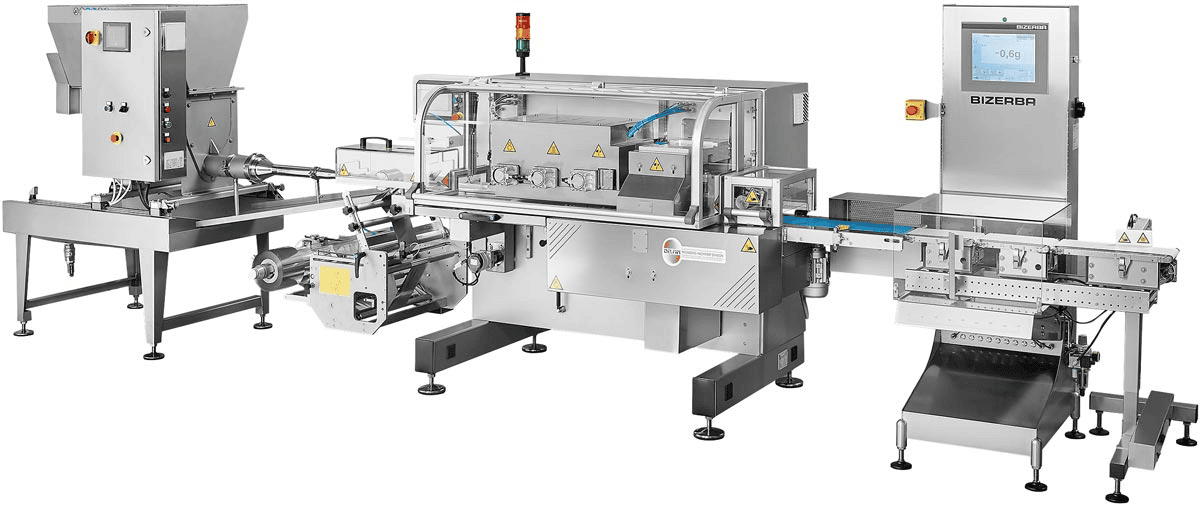
A shisha tobacco mixing machine is an important piece of equipment for manufacturers that produce flavored shisha tobacco products. It is designed to combine tobacco, flavoring agents, sweeteners, glycerin, and other permitted ingredients into a consistent mixture. Manual mixing can take significant time and may produce uneven results. A suitable machine helps improve consistency, production efficiency, and batch control.
Modern manufacturing requires equipment that can handle different materials while maintaining stable mixing performance. For businesses producing shisha tobacco on a commercial scale, choosing the right mixer can support better workflow and product uniformity. This article explains how these machines work, their main features, benefits, types, maintenance needs, and important factors to consider before selecting one.
What Is a Shisha Tobacco Mixing Machine?
A shisha tobacco mixing machine is industrial equipment used to blend tobacco-based mixtures evenly. The machine normally contains a mixing chamber, rotating blades or paddles, a drive system, and controls for operating the mixing process.
Depending on the machine design, different ingredients can be added in controlled stages. The goal is to distribute ingredients throughout the mixture without creating large pockets of concentrated flavoring or moisture.
Manufacturers can select machines based on production volume, material characteristics, required mixing time, and available factory space. Small mixers may suit limited production, while larger systems are designed for continuous or high-volume manufacturing.
How Does a Shisha Tobacco Mixing Machine Work?
The basic operation starts by loading the required ingredients into the mixing chamber. The machine then activates its mixing mechanism. Paddles, ribbons, blades, or other mixing tools move the material through the chamber.
During mixing, ingredients are repeatedly lifted, folded, and redistributed. This movement helps create a more uniform blend. Some machines also provide controlled speed settings, allowing operators to adjust the mixing action according to the material.
After the desired consistency is reached, the finished mixture can be discharged through an outlet. Automated models may include programmable controls, timers, sensors, and other features that reduce manual intervention.
Key Components of the Machine
A typical shisha tobacco mixing machine contains several important components. The mixing chamber is where the ingredients are combined. Its size determines how much material can be processed in one batch.
The mixing blades or paddles are responsible for moving the material. Their shape and arrangement can affect mixing efficiency. The motor supplies power to the mixing system, while the gearbox controls the required speed and torque.
Many machines also include an electrical control panel. More advanced systems can provide variable-speed control and automated operating sequences. Stainless steel contact surfaces are commonly preferred in processing environments because they are durable and easier to clean.
Benefits of Using a Mixing Machine
One major advantage is improved batch consistency. Mechanical mixing can provide more uniform distribution than manual methods when the equipment is correctly selected and operated.
A machine can also increase production efficiency. Workers do not need to manually mix large quantities for extended periods. This can help reduce physical effort and support a more organized production process.
Another benefit is repeatability. Manufacturers can use consistent operating settings for different batches. Better process control can make it easier to identify changes between batches and maintain production standards.
Industrial mixers may also reduce material handling when integrated with other processing equipment. This can create a smoother workflow from ingredient preparation through packaging.
Types of Shisha Tobacco Mixing Machines
Different mixer designs are available for different production requirements. Ribbon mixers use horizontal ribbons to move material through the mixing chamber. They are widely used for dry and semi-moist materials.
Paddle mixers use specially shaped paddles to create a folding and lifting action. They can provide effective movement of materials with different physical properties.
Planetary mixers use mixing tools that move through the chamber in a more complex pattern. These machines may be suitable for applications requiring intensive mixing.
Some manufacturers also use customized mixing systems. These may include heating or cooling features, specialized discharge systems, or automated ingredient feeding.
Choosing the Right Machine Capacity
Capacity is one of the most important factors when selecting equipment. A machine that is too small may slow production, while an oversized unit can increase costs and consume unnecessary space.
Manufacturers should consider both batch size and future production requirements. It is also important to understand the difference between the total chamber volume and the recommended working volume.
The characteristics of the material should also be considered. Moisture level, density, viscosity, and ingredient distribution can influence the machine size and mixing method required.
Material and Construction Quality
Construction quality affects the service life of a mixing machine. Equipment used in processing environments should be made from durable materials suitable for the intended application.
Stainless steel is often selected for surfaces that come into contact with processed materials. It offers good durability and can support easier cleaning when properly designed.
Weld quality, seals, bearings, shafts, and internal components should also be checked. A strong frame and reliable drive system can help the machine operate consistently during demanding production schedules.
Cleaning and Maintenance
Regular cleaning is essential for maintaining equipment performance. Residual material can accumulate inside the chamber, around seals, or near discharge areas if cleaning is neglected.
The machine should be designed with accessible surfaces and suitable access points. Operators should follow the manufacturer’s cleaning and maintenance instructions.
Routine inspections can include checking bearings, drive components, electrical connections, seals, and mixing tools. Lubrication should be performed according to the equipment manufacturer’s recommendations.
Preventive maintenance can help identify worn components before they cause unexpected downtime. Keeping maintenance records can also help manufacturers monitor machine performance over time.
Automation and Process Control
Automation is becoming increasingly important in modern processing facilities. Automated controls can help operators manage mixing time and speed more consistently.
Advanced systems may include programmable logic controllers, digital displays, sensors, and automatic ingredient feeding. These features can reduce manual errors and improve production monitoring.
Automation can also support better documentation. Operators may record batch settings and operating conditions for quality-control purposes. The level of automation should match the company’s production volume, budget, and operational requirements.
Safety Considerations
Safety should always be considered when operating industrial mixing equipment. Operators should receive proper training before using the machine.
Moving components should have appropriate guards and safety mechanisms. Emergency stop controls should be easy to access. Electrical systems should also be installed and maintained by qualified personnel.
Workers should follow applicable workplace safety rules and the equipment manufacturer’s instructions. Personal protective equipment may be required depending on the materials and manufacturing environment.
Cost and Return on Investment
The price of a shisha tobacco mixing machine depends on its capacity, construction, automation level, design, and additional features. A basic machine may have fewer controls, while an automated industrial system can cost significantly more.
Businesses should consider more than the purchase price. Energy use, maintenance, spare parts, labor requirements, cleaning time, and expected service life can all affect the overall cost.
A reliable machine can provide value by improving productivity and reducing inconsistent batches. Comparing several suppliers and reviewing technical specifications can help businesses make a better purchasing decision.
Conclusion
A shisha tobacco mixing machine can play an important role in organized commercial production. It helps combine materials more consistently while reducing the physical effort associated with manual mixing. The right equipment can also improve production efficiency, repeatability, cleaning, and process control.
Before purchasing a machine, manufacturers should evaluate capacity, construction materials, mixing technology, automation, maintenance requirements, safety features, and supplier support. Choosing equipment that matches the actual production process is essential for long-term performance.
With careful equipment selection and proper operation, a shisha tobacco mixing machine can become a valuable part of a modern manufacturing setup.