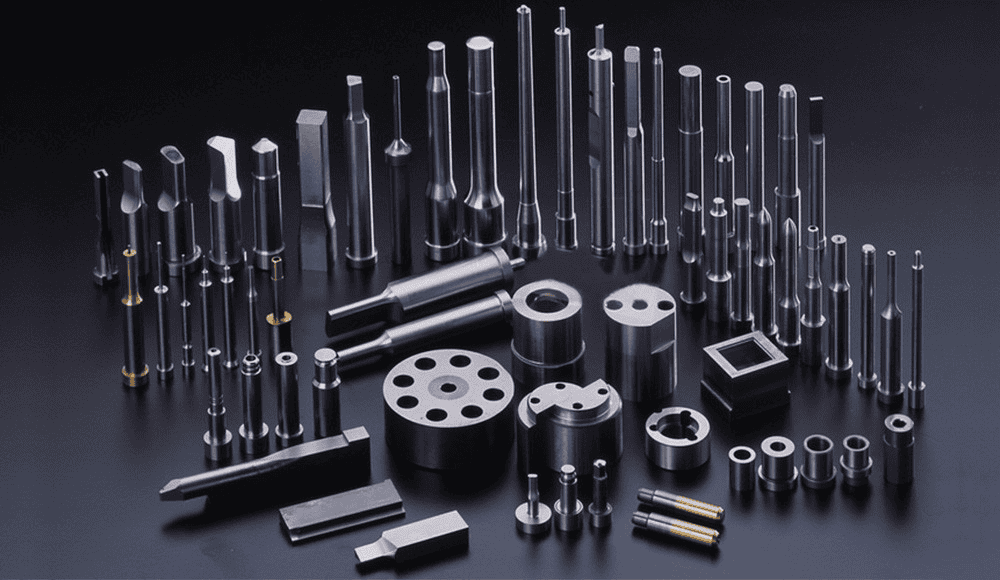
Non-metallic stamping is a useful manufacturing process for creating parts from materials that are not traditional metals. These materials can include plastics, rubber, composites, fiber-based sheets, and other engineered materials. The process uses dies, presses, or specialized tools to cut, shape, punch, or form material into a required design. As industries search for lighter and more flexible components, non-metallic stamping has become an important production method.
This manufacturing technique offers several benefits for businesses. It can support high-volume production, reduce material waste, and create consistent parts. It is also useful when products need electrical insulation, chemical resistance, low weight, or flexible performance. From electronics and automotive products to medical devices and industrial equipment, many industries use stamped non-metallic components.
What Is Non-Metallic Stamping?
Non-metallic stamping is a production method used to manufacture parts from materials other than conventional metals. A sheet, roll, or prepared material is placed into a stamping tool. Pressure is then applied to cut or shape the material according to the required design.
The exact process depends on the material and final product. Some applications require simple cutting, while others need punching, forming, embossing, or precision shaping. Modern equipment can produce small and detailed components with reliable accuracy.
How Does Non-Metallic Stamping Work?
The process starts with selecting the right material for the application. Engineers then create a design based on the required dimensions and performance needs. A die or cutting tool is prepared to match the desired shape.
The material is positioned in the stamping machine. Pressure is applied through a press or specialized mechanism. The tool cuts, forms, or shapes the material. Finished parts are then inspected for size, quality, and consistency.
Automated systems can improve production speed. They can also reduce manual handling and help maintain consistent results across large production runs.
Materials Used in Non-Metallic Stamping
Many different materials can be used in non-metallic stamping. Plastic sheets are common because they are lightweight and easy to shape. Rubber is useful when flexibility and sealing properties are needed.
Composite materials can provide strength while keeping weight low. Fiber-based materials may be selected for insulation, cushioning, or structural applications. Specialized films and laminates are also used in electrical and industrial products.
Material selection is important because each material behaves differently during cutting and forming. Temperature, thickness, flexibility, strength, and chemical resistance should all be considered before production begins.
Key Benefits of Non-Metallic Stamping
One major benefit of non-metallic stamping is its ability to create lightweight components. This can help manufacturers reduce the overall weight of a product.
The process can also provide excellent repeatability. Once the correct tooling and settings are established, many identical components can be produced efficiently.
Another benefit is material flexibility. Manufacturers can choose materials with properties that metals may not provide. These can include electrical insulation, corrosion resistance, flexibility, transparency, and resistance to certain chemicals.
Non-metallic stamping can also support efficient production when the correct material and tooling are selected.
Applications of Non-Metallic Stamping
Non-metallic stamping is used across many industries. Electronics manufacturers use stamped plastic and insulating components in various devices. Automotive companies may use lightweight components for interior systems, electrical assemblies, seals, and protective parts.
Medical equipment manufacturers can also use non-metallic stamped components where cleanliness, flexibility, or insulation is important. Industrial equipment may require gaskets, protective layers, spacers, washers, and insulating parts.
Consumer products are another important application. Household devices, packaging systems, and small electronic products may contain stamped non-metallic components.
Non-Metallic Stamping in Electronics
The electronics industry has a strong need for lightweight and insulating materials. Non-metallic stamping can produce precise components used around electrical systems.
Materials such as plastic films, insulating sheets, and specialized composites can help protect sensitive components. They may also prevent unwanted electrical contact between parts.
Precision is especially important in electronics. Even small dimensional differences can affect how a component fits inside a finished product. Proper tooling and quality control help manufacturers achieve reliable results.
Role in the Automotive Industry
The automotive industry continues to look for ways to reduce vehicle weight. Lightweight materials can help support efficiency while maintaining useful performance.
Non-metallic stamping can produce various automotive components. These may include seals, insulation pieces, protective covers, spacers, clips, and interior components.
Some materials also offer resistance to moisture, chemicals, and temperature changes. This makes them useful in demanding vehicle environments.
Advantages Over Traditional Metal Stamping
Traditional metal stamping is ideal for many applications, but it is not suitable for every product. Non-metallic stamping provides different material properties that can solve specific design problems.
Non-metallic parts are often lighter than metal alternatives. Some materials also provide better insulation and flexibility. They may resist corrosion and reduce noise or vibration in certain applications.
The best option depends on the product. Engineers should consider strength, temperature, cost, durability, and environmental conditions before choosing a material.
Precision and Quality Control
Quality control is essential in non-metallic stamping. Parts must meet the required dimensions and performance standards. Manufacturers may use measuring equipment, visual inspections, and automated systems to check finished components.
Tool condition also affects quality. Worn cutting edges can produce rough surfaces or inaccurate dimensions. Regular maintenance helps keep production stable.
Material thickness should also remain consistent. Variations in the material can influence cutting and forming results. Careful supplier selection and incoming material checks can reduce these problems.
Choosing the Right Stamping Manufacturer
Selecting the right manufacturer is an important step in any stamping project. Businesses should look for experience with the required material and application.
A reliable manufacturer should understand tooling, production planning, quality control, and material behavior. It should also have equipment suitable for the required production volume.
Communication is equally important. Manufacturers should be able to discuss design requirements, tolerances, material choices, and production challenges. Early cooperation can help prevent expensive changes later.
Future of Non-Metallic Stamping
The demand for lightweight and specialized components is expected to keep supporting interest in non-metallic stamping. Advances in materials and manufacturing equipment are creating new opportunities.
Automation can make production faster and more consistent. Better tooling technology can also support more complex designs. At the same time, manufacturers are exploring materials that offer improved durability and environmental performance.
As product designs become more advanced, non-metallic stamping can remain a valuable manufacturing solution.
Frequently Asked Questions
What is non-metallic stamping?
Non-metallic stamping is a manufacturing process that cuts or forms materials such as plastic, rubber, composites, and fiber-based sheets into specific shapes.
What materials are commonly used?
Common materials include plastics, rubber, composites, films, laminates, and fiber-based materials. The best choice depends on the product requirements.
Is non-metallic stamping suitable for mass production?
Yes. It can be highly effective for mass production when the tooling, material, and equipment are properly selected.
What industries use this process?
Electronics, automotive, medical, industrial, consumer goods, and electrical industries can all use non-metallic stamped components.
What are the main benefits?
Key benefits include low weight, repeatable production, material flexibility, electrical insulation, and resistance to corrosion or chemicals.
How do manufacturers maintain quality?
Manufacturers use accurate tooling, regular machine maintenance, material inspections, dimensional checks, and production quality-control procedures.
Conclusion
Non-metallic stamping provides manufacturers with a practical way to create accurate and lightweight components. It supports many materials and can meet different performance requirements. From electronics and automotive products to medical and industrial equipment, its applications continue to grow.
Choosing the correct material, tooling, equipment, and manufacturing partner is essential for successful results. With proper planning and quality control, non-metallic stamping can deliver consistent parts while supporting efficient modern production.