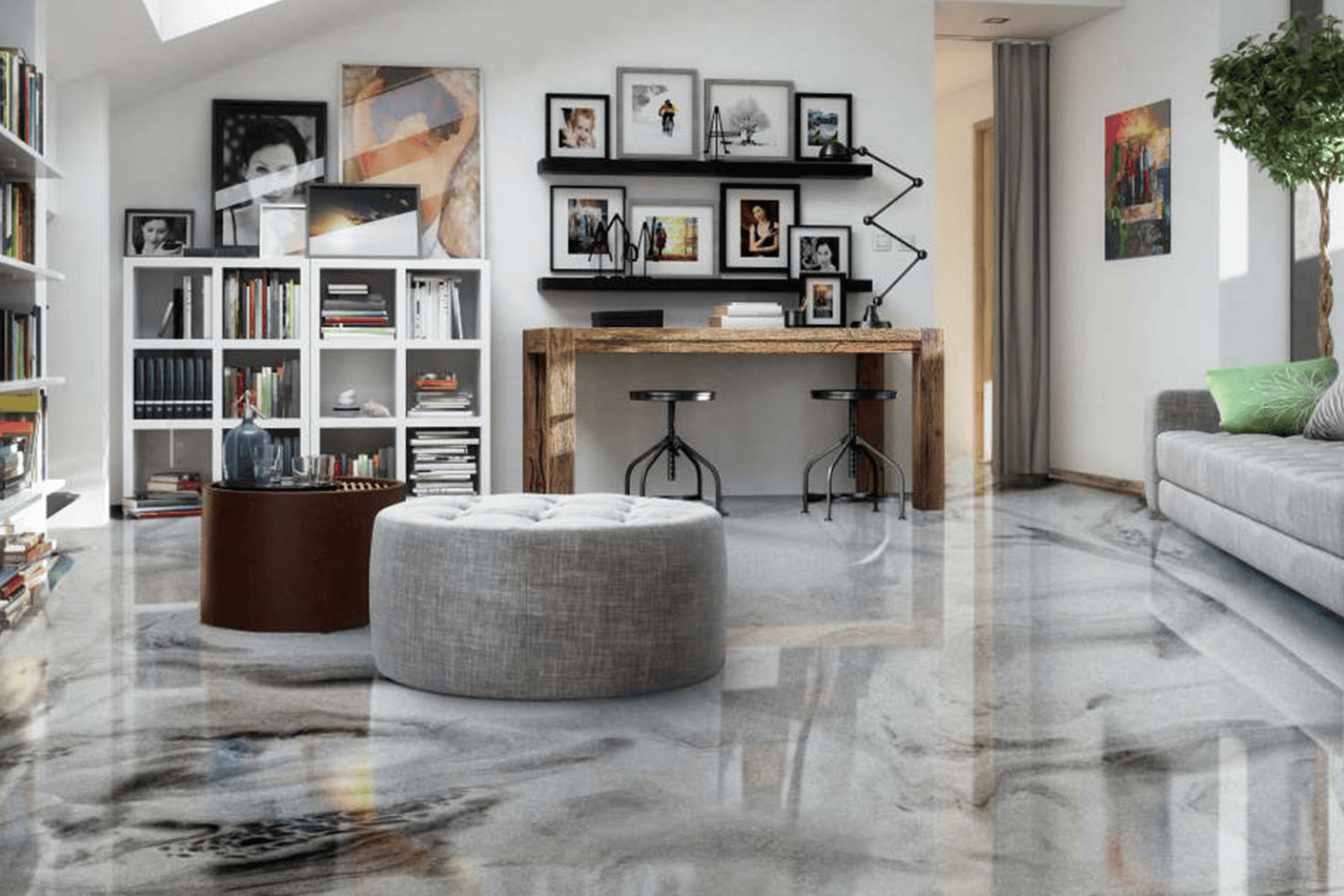
Flooring plays a major role in the appearance, safety, and durability of any property. Whether you own a home, warehouse, garage, office, factory, or retail space, a strong floor can improve the entire environment. This is why many property owners hire professional floor coating contractors. These specialists apply protective coatings that help floors resist wear, chemicals, moisture, stains, and heavy traffic.
Choosing the right contractor is important because floor coating is not simply about applying paint to concrete. Proper surface preparation, material selection, application methods, and curing all affect the final result. A professionally coated floor can last for years, while poor installation may lead to peeling, cracking, bubbling, or uneven surfaces.
In this guide, you will learn what floor coating contractors do, the types of coatings available, and how to select the right professional for your project.
What Do Floor Coating Contractors Do?
Floor coating contractors are professionals who prepare, repair, and protect floor surfaces using specialized coating systems. Their work is common in residential, commercial, and industrial properties.
The process usually starts with inspecting the existing floor. Contractors look for cracks, moisture problems, oil stains, damaged concrete, and other issues. They then prepare the surface using methods such as grinding, shot blasting, or cleaning.
After preparation, the chosen coating material is applied. Depending on the project, contractors may install epoxy, polyurethane, polyaspartic, acrylic, or other specialized coatings.
Professional floor coating contractors understand how different materials react to temperature, moisture, chemicals, and traffic. This knowledge helps them recommend the most suitable system for each environment.
Why Hire Professional Floor Coating Contractors?
Some property owners consider applying floor coatings themselves. However, professional installation often provides better durability and appearance.
One major advantage is proper surface preparation. Concrete floors may look smooth, but they can contain dust, oil, moisture, and other contaminants. If these problems are not handled correctly, the coating may fail.
Professionals also use commercial-grade equipment. Concrete grinders, industrial vacuums, moisture testing tools, and mixing equipment can improve the quality of the installation.
Experienced floor coating contractors can also complete projects more efficiently. They understand curing times, mixing ratios, coating thickness, and environmental conditions.
Hiring a professional may initially cost more than a DIY project, but quality installation can reduce future repair and replacement costs.
Types of Floor Coatings Available
Different properties require different types of floor coatings. The right option depends on the environment and the expected level of traffic.
Common coating systems include:
- Epoxy coatings
- Polyurethane coatings
- Polyaspartic coatings
- Acrylic coatings
- Urethane cement systems
- Decorative flake coatings
- Metallic floor coatings
Each material offers different benefits. For example, epoxy is popular for its strength and chemical resistance. Polyaspartic coatings may offer faster curing times and good durability.
Professional floor coating contractors can explain the advantages and limitations of each option before starting the project.
Epoxy Floor Coatings
Epoxy is one of the most popular choices for concrete floors. It creates a hard and durable surface that can handle heavy use.
Epoxy flooring is commonly installed in garages, warehouses, workshops, factories, laboratories, and commercial facilities. It can resist many chemicals, oils, and stains.
Another benefit is its appearance. Epoxy coatings are available in different colors and finishes. Decorative flakes or metallic effects can also be added to create a unique design.
However, epoxy requires careful preparation and installation. Temperature and moisture can affect the final result. This is one reason many property owners choose experienced floor coating contractors for epoxy projects.
Polyaspartic and Polyurethane Coatings
Polyaspartic and polyurethane coatings are also popular for demanding environments. These systems can offer flexibility, durability, and resistance to wear.
Polyaspartic coatings are often selected for projects that require faster installation. In some cases, they can cure more quickly than traditional epoxy systems.
Polyurethane coatings can also perform well in areas exposed to movement, impact, or changing temperatures. They may be used as protective topcoats over other coating systems.
The best choice depends on the location and purpose of the floor. A professional contractor can evaluate the conditions and recommend a suitable solution.
The Importance of Surface Preparation
Surface preparation is one of the most important steps in any floor coating project. Even the highest-quality coating may fail if it is applied to a poorly prepared surface.
Professional floor coating contractors may use diamond grinding or shot blasting to prepare concrete. These methods remove weak material and create a surface profile that helps the coating bond properly.
Cracks and damaged areas may also need repair before coating begins. Contractors may use fillers, patching materials, or other repair products.
Moisture testing can also be important. Excess moisture inside concrete can cause certain coatings to bubble or separate from the floor.
Proper preparation takes time, but it can greatly improve the lifespan of the finished floor.
Residential Applications for Floor Coatings
Floor coatings are not only for factories and warehouses. Many homeowners use them to improve garages, basements, patios, workshops, and other areas.
A coated garage floor can be easier to clean and more resistant to oil stains. Decorative flakes can also give the garage a modern appearance.
Basement floors may benefit from protective coatings that improve appearance and simplify maintenance. Workshops can also use durable coatings that handle tools, equipment, and regular foot traffic.
When hiring floor coating contractors for a residential project, homeowners should discuss their goals. Some may focus on appearance, while others need maximum durability.
Commercial and Industrial Floor Coatings
Commercial and industrial facilities often have demanding flooring requirements. Warehouses may experience forklift traffic, while factories may deal with chemicals, heat, and heavy equipment.
Retail stores and offices may focus more on appearance and customer experience. Healthcare facilities may require smooth surfaces that are easier to maintain.
Industrial floor coating contractors understand these different needs. They can recommend systems based on traffic levels, chemical exposure, cleaning requirements, and safety concerns.
Anti-slip finishes can also be added in areas where workers or customers may face slipping hazards. Choosing the right coating can improve both safety and long-term performance.
How to Choose the Right Floor Coating Contractors
Selecting the right contractor requires more than choosing the lowest price. Experience, equipment, materials, and customer service all matter.
Start by checking the contractor’s experience with projects similar to yours. A contractor who specializes in residential garages may not always be the best choice for a large industrial facility.
Ask about the preparation process and the materials they plan to use. A reliable contractor should clearly explain the steps involved.
You should also request a detailed estimate. The estimate should explain labor, materials, repairs, preparation, and any additional services.
Customer reviews and previous project examples can also provide useful information. A professional contractor should be willing to discuss their work and answer your questions.
Questions to Ask Before Hiring
Before making a final decision, ask several important questions.
You may ask:
- How long have you been installing floor coatings?
- Which coating system do you recommend and why?
- How will you prepare the existing floor?
- Do you test the concrete for moisture?
- How long will the installation take?
- How long before the floor can be used?
- What maintenance is required?
- Do you offer a warranty?
These questions can help you compare different floor coating contractors and understand what you are paying for.
A clear conversation before the project begins can also reduce misunderstandings later.
Understanding the Cost of Floor Coating Services
The cost of floor coating depends on several factors. Floor size is one of the biggest factors, but surface condition also matters.
Damaged concrete may require additional repairs. The type of coating can also affect the price. Decorative finishes, multiple layers, and specialized materials may increase the total cost.
Complex spaces may require more labor and preparation. For example, a large warehouse with heavy equipment may need more planning than a simple residential garage.
Instead of focusing only on the cheapest quote, consider the overall value. Quality materials and proper installation may provide better long-term performance.
Maintaining Your Coated Floor
A professionally installed coating can last longer with proper maintenance. Regular cleaning helps prevent dirt and debris from damaging the surface.
Use cleaning products recommended for your specific coating system. Avoid harsh materials that may scratch or weaken the finish.
Clean spills as soon as possible, especially oils and chemicals. In commercial and industrial areas, regular inspections can help identify damage early.
Floor coating contractors may also provide maintenance advice after installation. Following their recommendations can help protect your investment.
Common Benefits of Professional Floor Coatings
Floor coatings provide several practical and visual benefits.
Some major advantages include:
- Improved durability
- Better resistance to stains
- Easier cleaning and maintenance
- Protection against chemicals and moisture
- Improved appearance
- Increased resistance to heavy traffic
- Custom colors and decorative finishes
- Potential safety improvements with anti-slip surfaces
The exact benefits depend on the coating material and installation quality. This is why choosing experienced floor coating contractors is an important part of the process.
Final Thoughts
Floor coatings can transform ordinary concrete into a stronger, cleaner, and more attractive surface. From residential garages to large industrial facilities, the right coating system can improve durability and simplify maintenance.
However, successful results depend heavily on surface preparation and professional installation. Experienced floor coating contractors can inspect your floor, identify potential problems, recommend suitable materials, and apply the coating correctly.
Before hiring a contractor, compare experience, project examples, preparation methods, pricing, and warranties. Ask questions and make sure you understand the proposed coating system.
By choosing reliable floor coating contractors, you can protect your floor, improve its appearance, and create a surface designed to perform well for years.
Frequently Asked Questions
1. How long does a floor coating last?
The lifespan depends on the coating type, traffic level, installation quality, and maintenance. A professionally installed system can provide years of reliable performance.
2. Can floor coatings be applied over damaged concrete?
Yes, but cracks and damaged areas usually need proper repair before the coating is applied.
3. How long does installation take?
Project timelines depend on the floor size, surface condition, coating system, and curing requirements.
4. Are epoxy floors slippery?
Some smooth epoxy surfaces can become slippery when wet. Contractors can add anti-slip materials when needed.
5. Can floor coatings be used in garages?
Yes. Garages are one of the most common places for epoxy, polyaspartic, and other protective floor coatings.
6. Why should I hire professional floor coating contractors?
Professionals provide proper surface preparation, suitable material selection, specialized equipment, and experienced installation, helping create a more durable and attractive result.