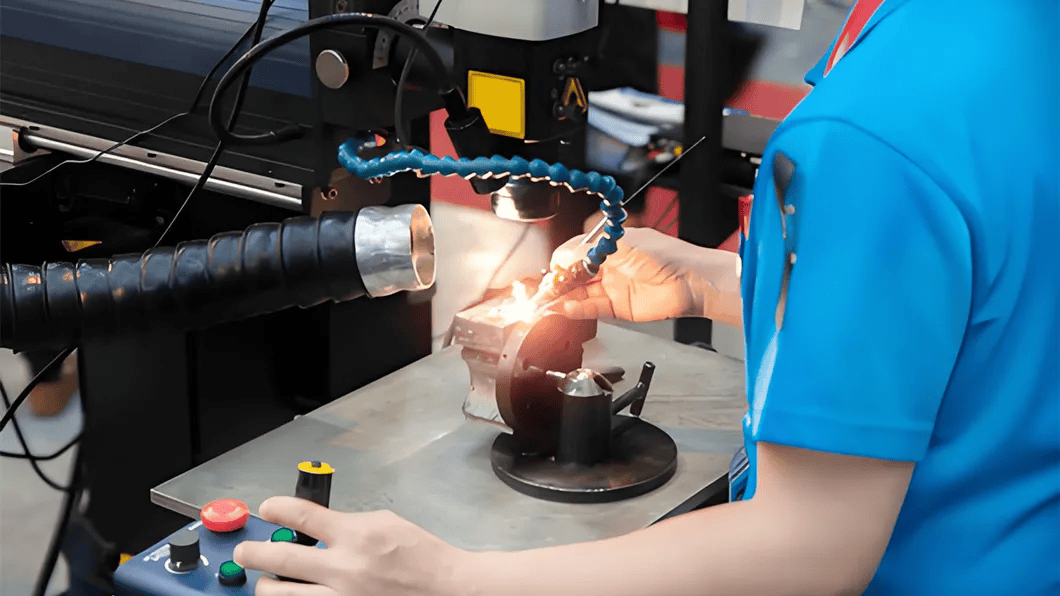
In modern manufacturing, molds play a major role in producing accurate and high-quality products. Industries such as automotive, electronics, medical equipment, packaging, and plastic injection molding depend heavily on molds. However, molds can develop cracks, wear, scratches, holes, and other damage after long-term use. Replacing an entire mold can be expensive and time-consuming. This is where a mold repair laser welding machine becomes a valuable solution.
A mold repair laser welding machine is designed to repair damaged mold surfaces with high precision. It uses a focused laser beam to melt welding material and restore the damaged area. Unlike traditional welding methods, laser welding produces a smaller heat-affected zone. This helps protect the original structure of the mold and reduces the risk of deformation.
In this article, you will learn what a mold repair laser welding machine is, how it works, its main benefits, applications, features, and factors to consider before buying one.
What Is a Mold Repair Laser Welding Machine?
A mold repair laser welding machine is a specialized welding system used to repair damaged molds, dies, tools, and precision metal components. The machine uses a high-energy laser beam to join filler material with the damaged metal surface.
The laser beam focuses heat on a very small area. This allows operators to repair tiny cracks, holes, edges, and worn surfaces without affecting the surrounding material. The process is highly controlled and accurate.
Traditional welding methods often create excessive heat. High temperatures can cause mold deformation, stress, or surface damage. Laser welding reduces these risks because the heat is concentrated only where it is needed.
This technology is commonly used for repairing injection molds, stamping dies, casting molds, and other industrial tooling.
How Does a Mold Repair Laser Welding Machine Work?
The working process of a mold repair laser welding machine is relatively simple but highly precise. First, the damaged area is cleaned to remove oil, dust, rust, or other contaminants.
Next, the operator positions the laser beam over the damaged section. A suitable welding wire or filler material is selected based on the type of mold metal.
The laser produces concentrated energy that melts the filler material and a small portion of the mold surface. The molten material combines and solidifies quickly.
The repair process can be repeated layer by layer until the damaged area reaches the required shape and size. After welding, the surface may be polished, ground, or machined for a smooth finish.
Because the laser can focus on a tiny point, the mold repair laser welding machine is suitable for highly detailed and delicate repair work.
Main Benefits of Using Laser Welding for Mold Repair
One of the biggest advantages of laser welding is precision. The operator can repair extremely small areas without damaging nearby sections.
Another important benefit is low heat input. Traditional welding can heat a large area around the repair point. This may cause distortion or internal stress. A laser welding machine concentrates energy in a small location.
Laser welding also provides strong and durable repair results. When the correct filler material and welding parameters are used, the repaired area can perform effectively during future production.
Other benefits include:
- High repair accuracy
- Small heat-affected zone
- Reduced mold deformation
- Fast repair process
- Strong welding results
- Minimal post-processing
- Suitable for complex mold shapes
- Ability to repair small cracks and holes
These advantages make laser welding a popular choice for manufacturers that need to maintain expensive tooling.
Common Applications of Mold Repair Laser Welding Machines
A mold repair laser welding machine can be used in many industrial applications. Injection molding companies often use these machines to repair plastic injection molds.
Automotive manufacturers may use laser welding to restore damaged dies and tooling components. The aerospace industry can also use precision laser repair for specialized metal parts.
Common applications include:
- Plastic injection mold repair
- Die repair
- Casting mold restoration
- Tool surface rebuilding
- Crack repair
- Hole filling
- Edge restoration
- Surface wear repair
- Precision component repair
- Maintenance of industrial tooling
The technology is especially useful when replacing a mold would require significant cost and production downtime.
Types of Damage That Can Be Repaired
Industrial molds experience different types of damage during production. Continuous pressure, friction, heat, and repeated operation can slowly wear down important surfaces.
A mold repair laser welding machine can repair many common problems. Small cracks can be filled with precise welding material. Worn edges can be rebuilt and reshaped.
Small holes and surface defects can also be restored. In some cases, damaged engraving or detailed surface areas can be repaired without affecting the rest of the mold.
However, the success of a repair depends on several factors. These include the type of metal, level of damage, welding material, machine settings, and operator skill.
A professional inspection should be performed before repairing severely damaged molds.
Important Features to Look for in a Machine
When choosing a mold repair laser welding machine, several features should be considered. Laser power is one of the most important factors. The required power depends on the type of material and repair application.
Pulse control is also important. Adjustable pulse duration and frequency allow better control over the welding process.
A high-quality microscope or observation system can improve precision. Operators need a clear view of small repair areas.
Look for features such as:
- Adjustable laser power
- Pulse control
- Precision welding system
- Comfortable working chamber
- Microscope or visual observation
- Stable cooling system
- Easy control interface
- Flexible welding parameters
- Reliable safety features
The best machine should match the specific requirements of your mold repair work.
Why Precision Is Important in Mold Repair
Molds are often manufactured with extremely tight tolerances. Even a small deformation can affect the quality of the final product.
For example, a damaged injection mold may produce parts with incorrect shapes, surface defects, or dimensional problems. Poor-quality repairs can create additional manufacturing issues.
A mold repair laser welding machine provides better control over the repair area. The laser can target specific points while minimizing unnecessary heat.
This precision is especially useful for molds with detailed patterns, small cavities, narrow edges, and complex geometries.
Accurate repair helps extend the life of the mold and maintain consistent product quality.
Laser Welding vs Traditional Mold Repair Methods
Traditional mold repair methods include TIG welding, manual welding, grinding, and machining. These methods can be useful, but they may create larger heat-affected areas.
A mold repair laser welding machine offers more concentrated heat. This reduces the risk of distortion and unnecessary damage.
Laser welding can also reduce the amount of finishing work required after the repair. Because the process is precise, less material may need to be removed during polishing or machining.
However, laser welding equipment can have a higher initial cost. Operators may also require proper training to achieve the best results.
For high-value molds and precision applications, the advantages of laser welding can justify the investment.
How to Choose the Right Mold Repair Laser Welding Machine
Choosing the right machine requires careful planning. First, identify the types of molds you repair most often.
Consider the size of the components and the materials used. Different metals may require different laser settings and filler materials.
You should also consider production volume. A company performing frequent mold repairs may need a more advanced and durable system.
Important factors include:
- Laser power requirements
- Mold material compatibility
- Machine size
- Welding precision
- Cooling system
- Ease of operation
- Maintenance requirements
- Technical support
- Availability of spare parts
- Training options
Comparing several machines before purchasing can help you find a solution that fits your budget and production needs.
Maintenance Tips for Laser Welding Equipment
Regular maintenance helps maintain the performance of a mold repair laser welding machine. The optical components should be kept clean because dust and contamination can affect laser performance.
The cooling system should also be inspected regularly. Proper temperature control helps protect important machine components.
Operators should follow the manufacturer’s maintenance schedule. Worn parts should be replaced when necessary.
It is also important to keep the work area clean. A clean environment reduces contamination and improves welding quality.
Proper operator training is another important factor. Incorrect machine settings can reduce repair quality and potentially damage the mold.
Safety Considerations During Laser Welding
Laser welding requires proper safety procedures. High-energy laser beams can be dangerous when used incorrectly.
Operators should use appropriate protective equipment and follow all machine safety instructions. The welding area should be properly controlled to prevent accidental laser exposure.
Modern machines may include protective enclosures, safety interlocks, and emergency stop systems. These features should always be checked before operation.
Only trained personnel should operate industrial laser welding equipment. Following safety guidelines protects both workers and valuable machinery.
The Future of Mold Repair Laser Welding Technology
Laser technology continues to improve. Modern systems are becoming more efficient, precise, and easier to operate.
Automation may play a larger role in future mold repair processes. Advanced software and motion systems can help improve repeatability and reduce manual errors.
Some manufacturers are also developing smarter monitoring systems that can help operators control welding parameters more accurately.
As industries continue to demand higher precision and faster production, the importance of advanced mold repair technology is likely to grow.
A high-quality mold repair laser welding machine can help companies reduce downtime, extend tool life, and improve manufacturing efficiency.
Conclusion
A mold repair laser welding machine is an important tool for industries that rely on expensive molds, dies, and precision tooling. It provides a highly accurate method for repairing cracks, holes, worn edges, and damaged surfaces.
Compared with traditional welding methods, laser welding offers concentrated heat, reduced deformation, and excellent precision. This makes it suitable for delicate and complex mold repairs.
Although the initial investment can be significant, the technology can help reduce replacement costs and production downtime. By choosing the right machine, using suitable welding materials, and following proper maintenance procedures, manufacturers can extend the working life of valuable molds.
For companies focused on precision, efficiency, and long-term cost savings, investing in a reliable mold repair laser welding machine can be a smart step toward improving their repair and maintenance operations.
Frequently Asked Questions
What is a mold repair laser welding machine used for?
It is used to repair damaged molds, dies, and metal tooling. Common repairs include cracks, holes, worn edges, and surface defects.
Can laser welding repair small mold cracks?
Yes. Laser welding is highly precise and can repair very small cracks while minimizing heat damage to nearby areas.
Does laser welding damage the original mold?
When performed correctly, laser welding creates a small heat-affected zone. This helps reduce the risk of deformation or damage.
What materials can be repaired with laser welding?
Many metal molds and tooling materials can be repaired. Compatibility depends on the specific alloy, filler material, and machine settings.
Is laser welding better than traditional welding?
For precision mold repair, laser welding often provides better accuracy and lower heat input. However, the best method depends on the application.
How long can a repaired mold last?
The lifespan of a repaired mold depends on the quality of the repair, mold material, operating conditions, and maintenance practices.