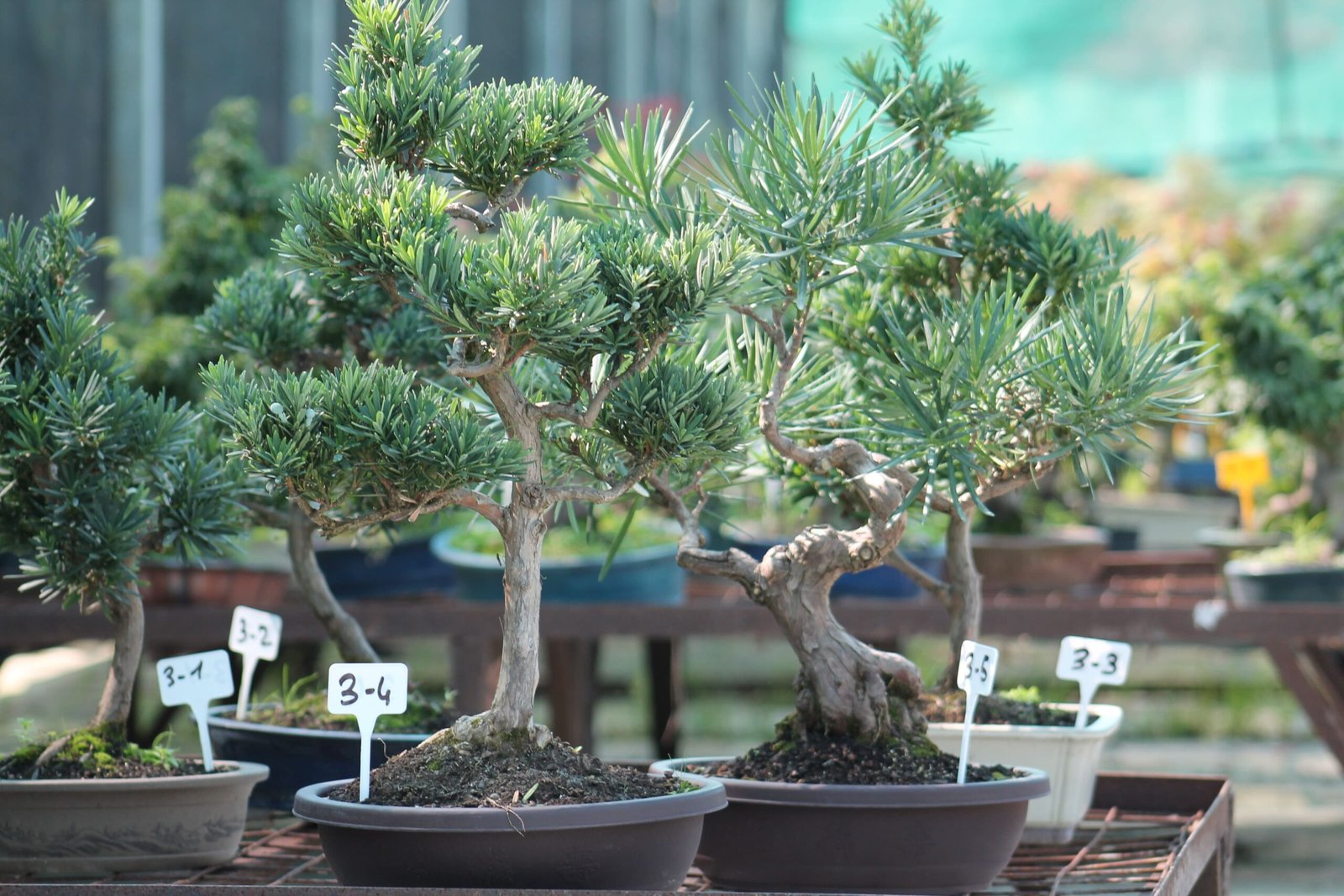
Podocarpus Buddhist pine is a beautiful evergreen plant admired for its graceful appearance, dense foliage, and versatility in landscaping. Despite its common name, it is not a true pine tree. Instead, it belongs to the Podocarpaceae family and is widely grown as an ornamental shrub or tree in gardens, parks, and commercial landscapes. Its attractive needle-like leaves, low-maintenance nature, and ability to thrive in different climates make it a favourite among homeowners and landscape designers.
Whether used as a privacy hedge, specimen tree, bonsai, or foundation planting, Podocarpus Buddhist pine offers year-round beauty and exceptional durability. In this guide, you’ll discover everything you need to know about Podocarpus Buddhist pine, including its characteristics, growing requirements, maintenance, landscaping uses, and benefits.
What Is Podocarpus Buddhist Pine?
Podocarpus Buddhist pine is an evergreen conifer-like plant native to parts of Asia, particularly China and Japan. Although commonly called a pine, it differs from true pine trees because it belongs to the Podocarpus genus rather than the Pinus family.
The plant features long, narrow, glossy green leaves that resemble needles but are softer and flatter than traditional pine needles. It develops a dense, upright growth habit that can be shaped into hedges, screens, or ornamental trees.
Its adaptability and elegant appearance have made Podocarpus Buddhist pine a popular landscaping choice around the world.
Characteristics of Podocarpus Buddhist Pine
Several features distinguish Podocarpus Buddhist pine from other ornamental evergreens.
Key characteristics include:
- Evergreen foliage
- Glossy dark green leaves
- Dense branching habit
- Slow to moderate growth
- Long lifespan
- Low-maintenance care
- Excellent pruning tolerance
- Drought resistance after establishment
- Attractive upright form
- Suitable for bonsai cultivation
These qualities make it a practical and visually appealing addition to many landscapes.
Benefits of Growing Podocarpus Buddhist Pine
There are numerous reasons gardeners choose Podocarpus Buddhist pine for residential and commercial properties.
Some major benefits include:
- Year-round greenery
- Excellent privacy screening
- Wind protection
- Noise reduction
- Attractive landscape feature
- Minimal maintenance
- Long-lasting beauty
- Pest resistance
- Adaptability to various soil types
- Easy shaping through pruning
Its versatility makes it one of the most reliable evergreen landscape plants.
Ideal Growing Conditions
Providing suitable growing conditions helps Podocarpus Buddhist pine thrive for decades.
The plant performs best in:
- Full sun to partial shade
- Well-drained soil
- Slightly acidic to neutral pH
- Moderate humidity
- Warm climates
- Consistent watering during establishment
Once mature, it tolerates periods of drought and varying environmental conditions.
Soil Requirements
Healthy soil supports strong root development and vigorous growth.
Podocarpus Buddhist pine prefers:
- Sandy loam
- Well-drained clay
- Rich organic soil
- Compost-amended garden beds
- Good drainage
Avoid areas with standing water, as excessive moisture can cause root rot and other fungal problems.
Adding organic matter before planting improves soil fertility and water retention.
Watering Needs
Young Podocarpus Buddhist pine plants require regular watering until their root systems become established.
General watering guidelines include:
- Water deeply after planting.
- Keep soil evenly moist during the first growing season.
- Reduce watering once established.
- Increase watering during prolonged drought.
- Avoid overwatering.
Proper watering encourages healthy roots and dense foliage.
Fertilising Podocarpus Buddhist Pine
Regular fertilisation supports lush green growth.
For best results:
- Apply balanced slow-release fertiliser in spring.
- Use organic compost annually.
- Avoid excessive nitrogen applications.
- Water after fertilising.
Healthy nutrition promotes vigorous growth while maintaining the plant’s attractive colour.
Pruning and Shaping
One of the biggest advantages of Podocarpus Buddhist pine is its excellent response to pruning.
Regular trimming helps maintain:
- Formal hedges
- Privacy screens
- Topiary designs
- Ornamental trees
- Bonsai forms
Prune during the active growing season to encourage dense branching and maintain the desired shape.
Remove damaged or dead branches whenever necessary.
Common Landscaping Uses
Podocarpus Buddhist pine is extremely versatile and complements many landscape styles.
Popular uses include:
- Privacy hedges
- Property borders
- Garden screens
- Entryway accents
- Foundation plantings
- Bonsai displays
- Courtyard gardens
- Japanese-inspired landscapes
- Commercial landscapes
- Container planting
Its elegant structure adds visual interest throughout the year.
Growing Podocarpus Buddhist Pine in Containers
This evergreen performs exceptionally well in containers.
Container gardening offers several advantages:
- Easy relocation
- Decorative patios
- Balcony gardens
- Controlled growth
- Bonsai development
Choose a large container with adequate drainage holes and use high-quality potting mix for best results.
Container-grown plants may require more frequent watering than those planted in the ground.
Pests and Diseases
Podocarpus Buddhist pine is generally resistant to most pests and diseases.
Occasionally, gardeners may encounter:
- Scale insects
- Spider mites
- Aphids
- Root rot
- Leaf spot
- Sooty mould
Routine inspections and proper watering practices usually prevent serious problems.
Maintaining good air circulation also reduces the likelihood of fungal diseases.
Propagation Methods
Podocarpus Buddhist pine can be propagated using several techniques.
The most common methods include:
- Stem cuttings
- Seed propagation
- Air layering
Stem cuttings are generally preferred because they produce plants identical to the parent and establish more quickly.
Rooting hormone may improve success rates during propagation.
Seasonal Care Tips
Proper seasonal care helps maintain healthy growth throughout the year.
Spring:
- Fertilise the plant.
- Prune lightly.
- Check for new growth.
Summer:
- Water during dry periods.
- Monitor pests.
- Apply mulch.
Autumn:
- Remove fallen debris.
- Reduce fertiliser applications.
- Inspect for disease.
Winter:
- Protect young plants from severe frost.
- Limit watering during dormant periods.
Following seasonal care routines encourages long-term plant health.
Why Podocarpus Buddhist Pine Is Popular for Bonsai
Podocarpus Buddhist pine has become a favourite among bonsai enthusiasts.
Its popularity is due to:
- Flexible branches
- Dense foliage
- Slow growth
- Attractive trunk development
- Easy shaping
- Excellent longevity
With regular pruning and wiring, it can be transformed into impressive miniature trees that reflect traditional bonsai artistry.
Environmental Benefits
Growing Podocarpus Buddhist pine contributes positively to the environment.
Benefits include:
- Improved air quality
- Carbon absorption
- Wildlife shelter
- Soil stabilisation
- Noise reduction
- Wind protection
- Urban heat reduction
Its evergreen foliage provides year-round environmental value in both residential and urban landscapes.
Choosing Healthy Podocarpus Buddhist Pine Plants
When purchasing a new plant, look for:
- Bright green foliage
- Healthy root system
- Strong central stem
- No insect damage
- No yellowing leaves
- Balanced branching
- Moist but well-drained soil
Buying healthy nursery-grown plants increases the chances of successful establishment.
Conclusion
Podocarpus Buddhist pine is an elegant, durable, and low-maintenance evergreen that enhances landscapes with its dense foliage and graceful form. Whether planted as a privacy hedge, ornamental tree, foundation shrub, or bonsai specimen, it offers year-round beauty and dependable performance.
With proper planting, watering, pruning, and occasional fertilisation, Podocarpus Buddhist pine can thrive for decades while adding value to gardens, commercial properties, and outdoor living spaces. Its adaptability, attractive appearance, and environmental benefits make it an outstanding choice for anyone seeking a reliable evergreen landscape plant.