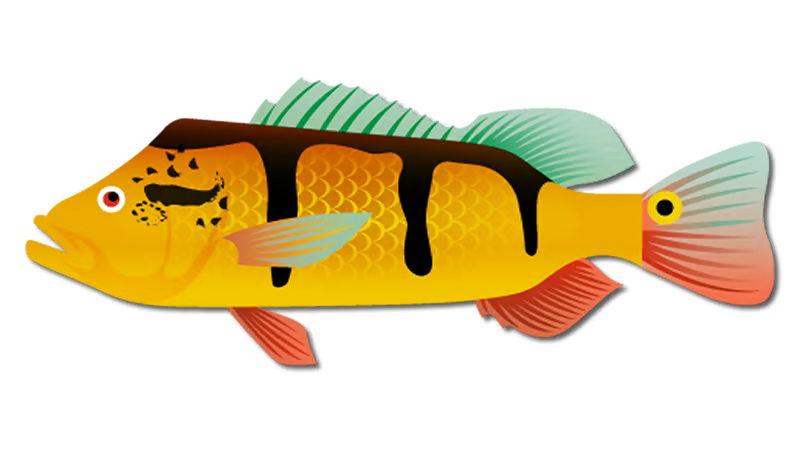
The peacock bass is one of the most exciting freshwater fish for anglers. Its bright colors make it easy to recognize. Its powerful strikes also make it a popular sport fish. Despite its name, this fish is not a true bass. It belongs to the cichlid family and comes from tropical parts of South America. Several species are grouped under the common name peacock bass. They are known for strong bodies, large mouths, and bold patterns. Many anglers travel long distances to catch these fish. They are especially popular in warm rivers and lakes. Their hunting style makes them exciting targets for artificial lures. They can also grow to impressive sizes in suitable waters. In this guide, you will learn about their habitat, food, behavior, growth, fishing methods, and care. You will also discover useful facts before planning a fishing trip or keeping one.
Peacock Bass Species Profile
A good species profile helps explain this fish clearly. The name covers several species within the Cichla genus. Their appearance can change based on age, location, and species. Most have strong bodies and colorful markings along their sides. Their fins may show yellow, orange, blue, or dark shades. Some fish develop a noticeable dark spot near their tails. Others show three darker body marks when mature. These patterns help anglers identify different types in the field. Size also varies between species and local environments. Food supply, water conditions, and genetics can affect growth. The table below gives a simple overview of common characteristics. It should be used as a general guide rather than an exact identification chart.
| Feature | Details |
| Common name | Peacock bass |
| Scientific group | Cichla |
| Family | Cichlidae |
| Main origin | Tropical South America |
| Typical habitat | Rivers, lakes, lagoons, and reservoirs |
| Diet | Fish, insects, crustaceans, and other prey |
| Body type | Deep, strong, and laterally compressed |
| Mouth | Large and adapted for catching prey |
| Water preference | Warm freshwater |
| Behavior | Active predator and territorial fish |
| Fishing style | Lures, live bait, and fly fishing |
| Aquarium needs | Large tank with strong filtration |
| Popular feature | Bright colors and powerful strikes |
Where Does Peacock Bass Live?
The natural range of peacock bass includes several areas of tropical South America. Different species occur across different river systems. Brazil, Colombia, Venezuela, Guyana, and nearby regions contain native populations. These fish prefer warm freshwater environments with plenty of cover. Rivers, floodplain lakes, lagoons, and reservoirs can provide suitable habitat. Water temperature plays an important role in their survival. They generally perform best in warm conditions throughout the year. Vegetation, submerged trees, rocks, and river edges provide useful hunting areas. These locations also offer shelter for young fish. Some populations have been introduced outside their native range. Warm regions can sometimes support them after introduction. However, introduced populations may affect local fish communities. Their presence should therefore be considered carefully. Habitat conditions strongly influence feeding, breeding, growth, and overall fish health.
What Does Peacock Bass Eat?
The peacock bass is an active predator with a varied diet. Smaller fish often eat insects, small crustaceans, and tiny aquatic animals. Larger fish can target other fish and bigger prey. Their large mouths allow them to swallow surprisingly large meals. Their hunting behavior often involves short bursts of speed. They may wait near cover before attacking passing prey. They can also chase baitfish through open water. This behavior makes them effective predators in warm freshwater systems. Young fish may rely more heavily on smaller food items. Their diet changes as they grow and become stronger hunters. Food availability also depends on the local ecosystem. Anglers can use this information when choosing fishing lures. Lures that imitate small fish often work well. Surface baits can also create strong reactions under the right conditions. Feeding activity may increase during warmer and more active periods.
Peacock Bass Size and Weight
Size is one reason anglers find this fish so attractive. Different species can reach different maximum lengths and weights. Some remain relatively moderate in size. Others can become very large under favorable conditions. Large individuals usually have thick bodies and powerful tails. Their growth depends on genetics, food, water quality, and habitat. Age also plays an important role in final size. Young fish can grow quickly when food remains plentiful. Mature fish often become more territorial and powerful. Records can vary between regions and species. Therefore, anglers should avoid assuming every fish reaches the same size. Measuring length and weight provides better information about individual specimens. A proper measuring board can help reduce handling time. Photos should also be taken quickly when releasing fish. This approach protects the fish while preserving a useful memory. Responsible handling matters more than chasing a specific size.
Peacock Bass Colors and Appearance
The appearance of peacock bass is one of its strongest features. Many individuals show bright yellow, gold, green, or orange tones. Dark vertical markings can appear across the body. Some adults develop a bold pattern near the tail. Colors may become stronger during breeding periods or territorial displays. Young fish often look different from mature adults. Their patterns can change as they grow. Water clarity and lighting can also affect how their colors appear. A healthy fish usually has clear eyes and strong body condition. Its fins should appear intact rather than badly damaged. Identification becomes easier when anglers consider several features together. Body shape, markings, location, and size can all provide clues. Color alone is not always enough for reliable identification. This matters when several Cichla species live in the same region. A local fish guide can help confirm uncertain identifications.
Peacock Bass Behavior
The behavior of this fish makes it exciting to observe. It is an active predator that often reacts quickly to movement. Adults may defend feeding areas or suitable breeding locations. They can become territorial when conditions are favorable. Groups may sometimes appear around productive feeding areas. However, larger fish can become more solitary. Their behavior changes with water temperature, food supply, and season. During feeding periods, they may chase baitfish aggressively. They can strike quickly when prey enters their territory. This explains their reputation among sport anglers. Their aggressive response does not mean every fish will attack constantly. Weather, water level, light, and fishing pressure can change activity. Observing the water can provide useful clues before casting. Look for baitfish, surface movement, structure, and active predators. These signs can help anglers understand what is happening below the surface.
Best Peacock Bass Fishing Methods
Fishing for peacock bass requires strong equipment and careful lure selection. Spinning tackle is popular because it handles many lure types. Medium-heavy rods provide useful power for strong fish. Braided line can improve strength while maintaining good sensitivity. A strong leader can also help around structure. Anglers often use jerkbaits, crankbaits, topwater lures, and soft plastics. Bright patterns can work when fish are actively feeding. Natural baitfish patterns can also produce excellent results. Casting near structure is often a useful starting strategy. Try areas around fallen trees, rocks, weed edges, and drop-offs. Retrieve speed should match fish activity and water conditions. A sudden pause can sometimes trigger a following fish. Surface lures can create dramatic strikes during active periods. Always match your equipment to the local fish size. Strong tackle helps shorten fights and supports safer releases.
Best Places to Find Peacock Bass
Finding the right location can make fishing much easier. Productive areas often contain food, cover, and suitable water temperatures. River mouths can attract baitfish and larger predators. Flooded vegetation can also provide excellent ambush points. Rocky edges may hold fish during certain conditions. Reservoirs can create many different habitat types. Deep areas may become important when temperatures or water levels change. Shallow areas can attract predators when baitfish move closer to shore. Local fishing reports can provide useful clues before a trip. Experienced guides can also save valuable time on unfamiliar waters. Look for signs rather than simply choosing attractive scenery. Birds feeding near baitfish can reveal underwater activity. Surface explosions may indicate active predators below. Water movement can also concentrate prey in certain areas. Combining these observations creates a stronger fishing strategy.
Peacock Bass Lures and Tackle
Choosing the right tackle can improve both fishing success and fish safety. A strong spinning rod is useful for many common situations. The reel should provide smooth drag and reliable line capacity. Braided line offers strength and good sensitivity for lure fishing. A durable leader can reduce damage around rocks and submerged wood. Jerkbaits are popular because they imitate injured baitfish. Crankbaits can cover water quickly and reach different depths. Topwater lures create exciting strikes when fish feed near the surface. Soft plastics can work when fish become less aggressive. Color choice should match local baitfish when possible. However, contrasting colors can also attract attention in stained water. Keep hooks sharp before every fishing session. Strong split rings and quality hooks can prevent lost fish. Carrying several lure styles gives you more options when conditions change.
Peacock Bass in Aquariums
Keeping this fish in an aquarium requires serious preparation. These are not small community fish that fit ordinary home tanks. Their active behavior and potential size require substantial swimming space. A large aquarium with powerful filtration is essential. Water quality should remain stable and free from dangerous waste buildup. Warm freshwater conditions are generally important for tropical cichlids. Decorations should provide structure without removing too much swimming room. Large rocks and sturdy wood can create useful territories. Avoid fragile decorations because powerful fish can move objects. Tank mates must also be selected carefully. Smaller fish may become prey because of their predatory nature. Feeding should provide balanced nutrition without creating excessive waste. Regular water changes are important for long-term health. Beginners should research the adult size before purchasing a young specimen. A small fish can eventually require a very large home.
Breeding and Reproduction
Breeding behavior adds another interesting part to this fish’s life cycle. Mature pairs may become strongly territorial during reproduction. Suitable breeding areas can include firm surfaces and protected locations. Parents may guard eggs and young fish from threats. Water conditions can influence breeding activity and success. Food availability also affects the condition of mature adults. During spawning periods, colors and behavior may become more noticeable. Pairs can become more aggressive toward nearby fish. This defensive behavior helps protect eggs and newly hatched young. Young fish require suitable food and safe areas for growth. In natural habitats, vegetation and structure can provide valuable protection. Aquarium breeding requires enough space for territorial behavior. Crowded conditions can create stress and serious injuries. Anyone planning breeding should understand the adult size first. Good filtration and stable water conditions remain essential throughout the process.
Peacock Bass and Conservation
Conservation is important wherever predatory fish are moved outside their native range. Peacock bass can become established in some warm non-native waters. Their feeding habits may place pressure on local fish populations. This risk depends heavily on the ecosystem and local conditions. Anglers should follow all local fishing and release rules. Never move live fish between lakes, rivers, or reservoirs without permission. Unwanted aquarium fish should never be released into natural waterways. Responsible disposal and rehoming protect native ecosystems. Catch-and-release fishing can also reduce unnecessary fish mortality. Use suitable tackle to avoid exhausting fish during long fights. Wet your hands before handling a fish when possible. Support its body and avoid squeezing the stomach area. Remove hooks carefully with proper tools. Return the fish to the water quickly after photographs. These simple habits can improve survival after release.
Tips for Responsible Peacock Bass Fishing
Good fishing involves more than catching a large fish. Responsible anglers should care about the fish and its habitat. Use tackle that matches the expected size of the fish. Heavy enough equipment can reduce unnecessary fighting time. Avoid keeping fish unless local rules and personal goals support it. Follow current regulations about seasons, limits, and protected waters. Handle fish gently when taking photographs. Keep the fish close to the water during the photo. Never place a large fish on hot surfaces for long periods. Check your hooks and equipment before each outing. Dispose of fishing line and plastic materials properly. Respect other anglers and avoid crowded fishing spots. Leave natural habitat cleaner than you found it. These habits help protect fishing opportunities for future visitors. They also show respect for the freshwater ecosystem.
Why Peacock Bass Is Popular With Anglers
The appeal of this fish comes from several qualities. First, it has a striking appearance that photographs beautifully. Second, it can deliver powerful strikes on artificial lures. Third, its aggressive behavior creates exciting fishing moments. Many anglers enjoy the challenge of locating active fish. Tropical weather can also make these trips memorable. The combination of scenery and fishing creates a unique outdoor experience. Different water conditions can require different strategies. This keeps each trip from feeling exactly the same. Some anglers prefer surface strikes because they are visually dramatic. Others enjoy working deep structure with diving lures. The fish can challenge both new and experienced anglers. However, preparation remains important for successful outings. Learning local conditions often matters more than owning expensive equipment. Good observation, patience, and proper technique can make a major difference.
Peacock Bass vs. Other Freshwater Fish
The peacock bass differs from many familiar freshwater sport fish. Despite its common name, it is a cichlid rather than a true bass. Its body shape is deeper than many North American bass species. Its tropical origin also separates it from many temperate freshwater fish. Its colorful markings make it especially easy to notice. Its feeding behavior can also be highly aggressive. Largemouth bass, for example, belong to the sunfish family. Peacock bass belongs to the Cichlidae family instead. Both can attack artificial lures and provide exciting fights. Their preferred environments, however, can be quite different. Understanding these differences helps anglers choose suitable equipment. It also prevents confusion when discussing fish species. Learning scientific names can make identification much easier. This is especially useful when traveling between different fishing regions.
Frequently Asked Questions
1. Is peacock bass a real bass?
No, peacock bass is not a true bass. It belongs to the cichlid family and the Cichla genus. The common name comes from its bass-like body and sport-fishing reputation. Several species share the common name. Their appearance can vary across different regions. They are native mainly to tropical South American freshwater systems. Their bright colors and strong fighting ability make them popular targets. Anglers often catch them using artificial lures. Their large mouths allow them to attack many types of prey. Despite the name, their biology differs from traditional bass species. Knowing this difference helps with proper identification and care. It also explains why their habitat and water requirements can differ significantly.
2. How big can peacock bass get?
The maximum size depends on the species and local environment. Some species remain smaller than the largest known examples. Others can reach impressive lengths and weights. Food supply, genetics, age, and habitat all influence growth. Warm water can support their active tropical lifestyle. Large adults usually have powerful bodies and strong tails. Anglers should avoid judging size from color alone. Measuring the fish provides a more reliable record. Length is usually easier to measure accurately than weight. If you catch a large fish, take a quick photograph. Then return it carefully when regulations support release. Proper handling protects the fish after the fight. This approach allows future anglers to enjoy the same fish.
3. What is the best bait for peacock bass?
Small fish and fish-like artificial lures can be highly effective. Jerkbaits, crankbaits, and topwater lures are common choices. Live bait may also work where local rules permit it. The best option depends on water clarity and fish activity. During active feeding, fast-moving lures can trigger aggressive strikes. Slower presentations can help when fish become less active. Matching local prey can also improve your lure selection. Watch for baitfish near the surface or around structure. This information can guide your next cast. Always check local regulations before using live bait. Some waters may restrict particular bait types. Good lure choice combines local knowledge with observation.
4. Can you keep peacock bass as a pet?
Yes, but this fish is challenging for many home aquariums. Its potential adult size requires a very large tank. Strong filtration is also necessary because predatory fish create significant waste. Smaller tank mates may become food as the fish grows. Decorations must be sturdy enough to withstand active behavior. Water temperature and quality should remain stable. Owners should research the exact species before buying one. A young specimen can look manageable in a store. Its future adult size can create very different requirements. Responsible ownership means planning for the mature fish. Never release an unwanted aquarium fish into natural waterways. Rehoming through a suitable aquarium keeper is safer.
5. Where are peacock bass naturally found?
Their natural range is mainly within tropical South America. Different Cichla species occupy different river and drainage systems. Brazil contains many important native populations. Other South American countries also have native species. They commonly inhabit warm rivers, lakes, lagoons, and floodplain waters. Habitat features can include vegetation, rocks, and submerged wood. These structures provide feeding and shelter opportunities. Some populations now exist outside their original range. Such introductions can create ecological concerns in suitable climates. Local environmental conditions determine whether introduced populations survive. Geographic identification is useful when identifying individual species. Anglers should learn local rules before fishing unfamiliar waters.
6. Why are peacock bass so popular with fishermen?
Their popularity comes from their appearance, aggression, and fighting ability. A strong strike can make a short fishing session exciting. Their colorful bodies also make memorable photographs. Many anglers enjoy targeting them with artificial lures. Topwater strikes can be especially dramatic. Their tropical habitat adds another attraction for traveling anglers. Fishing for them often requires careful observation and active casting. Anglers may need to change lure styles as conditions shift. This creates a challenging and rewarding experience. Proper equipment is important because powerful fish can damage weak tackle. Responsible handling is equally important after a successful catch. The goal should be an exciting experience that also protects the fish.
Conclusion
The peacock bass is a remarkable freshwater predator with a strong reputation. Its bright colors make it attractive to fish lovers. Its powerful strikes make it popular with sport anglers. Its tropical lifestyle also makes it interesting to aquarium enthusiasts. However, understanding the fish is important before fishing or keeping one. Learn about its size, diet, habitat, and behavior first. Always check local fishing and possession rules before taking action. Use strong tackle when targeting larger fish. Handle every catch carefully, especially when practicing release fishing. Aquarium owners should plan for the adult size before buying a young fish. Most importantly, respect the freshwater environment where these fish live. Good knowledge creates better fishing experiences and safer fish care. Whether you are an angler or a curious reader, this species offers plenty to discover.