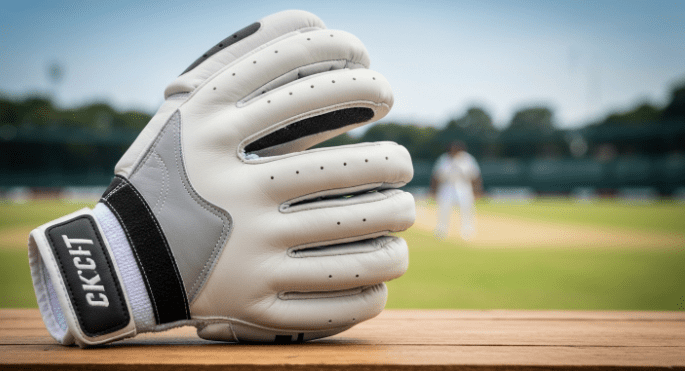
Cricket gloves are one of the most important pieces of equipment for any cricketer, whether playing at a professional level or enjoying a casual match with friends. Designed to protect the hands while maintaining flexibility and grip, cricket gloves play a crucial role in batting, wicketkeeping, and even fielding in certain situations. Over the years, glove technology has evolved significantly, combining traditional craftsmanship with modern materials to meet the demands of the modern game.
Importance of Cricket Gloves in the Game
The hands are constantly exposed to high-speed cricket balls, sharp edges of the bat, and repetitive impact. Cricket gloves reduce the risk of injury while allowing players to maintain control and confidence. For batsmen, gloves absorb shock from fast deliveries. For wicketkeepers, they ensure secure catching and quick reflexes. Without proper gloves, performance can suffer and the chances of injury increase substantially.
Types of Cricket Gloves
Cricket gloves are designed for different roles on the field. Each type serves a specific purpose and is engineered accordingly.
Batting gloves are the most common and are worn by batsmen to protect their fingers, palms, and wrists from impact. These gloves emphasize cushioning and grip.
Wicketkeeping gloves are larger and heavily padded, designed to catch the ball securely and protect the hands from repeated impacts, especially when standing close to the stumps.
Inner gloves are worn inside batting or wicketkeeping gloves. They absorb sweat, improve comfort, and add an extra layer of protection.
Anatomy of Cricket Gloves
Understanding the structure of cricket gloves helps players choose the right pair and use them effectively.
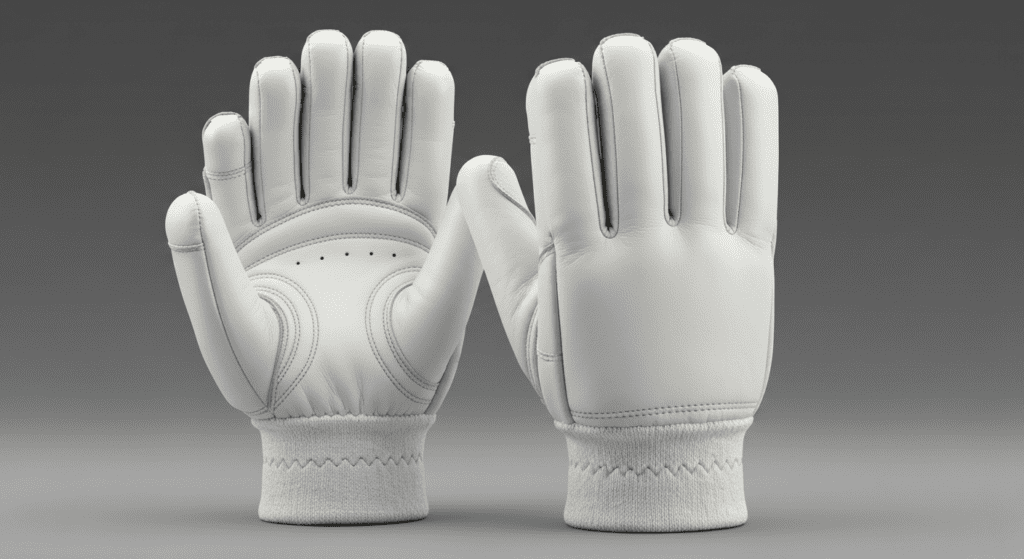
The fingers are segmented to allow flexibility while maintaining protection. High-quality gloves feature pre-curved fingers that follow the natural shape of the hand.
The palm is usually made from leather or synthetic material, offering grip and durability. Ventilation holes may be added to improve airflow.
Padding is often made from foam or gel and is strategically placed to protect vulnerable areas like knuckles and fingertips.
The wrist area includes straps or elastic bands to ensure a snug fit and prevent the glove from slipping during play.
Materials Used in Cricket Gloves
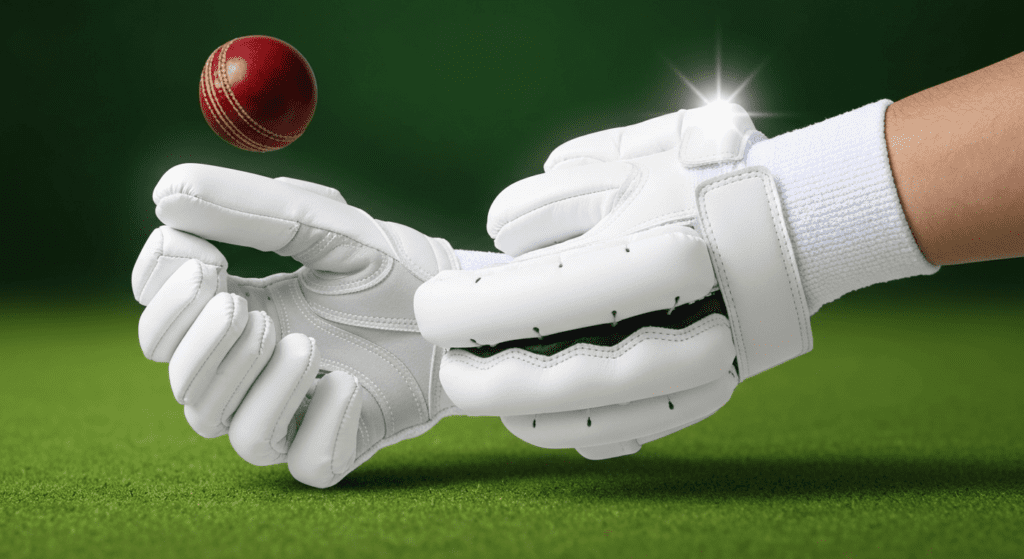
Modern cricket gloves are made using a combination of traditional and advanced materials.
Leather is commonly used for palms due to its excellent grip and durability. Premium gloves often use sheep or kangaroo leather.
Synthetic materials are lightweight and cost-effective, making them popular for beginner and intermediate gloves.
Foam and gel padding absorb impact and reduce vibration from the bat, enhancing comfort during long innings.
Mesh fabrics are used in ventilation zones to improve airflow and keep hands dry.
Batting Gloves: Features and Benefits
Batting gloves are designed to balance protection with freedom of movement. They allow batsmen to play a wide range of shots while keeping hands safe.
High-density padding protects against fast bowlers and unexpected bouncers.
Flexible finger construction enables better bat control and shot execution.
Textured palms improve grip, reducing the risk of the bat slipping during powerful strokes.
Breathable materials help manage sweat, especially in hot and humid conditions.
Wicketkeeping Gloves: Design and Functionality
Wicketkeeping gloves are distinct from batting gloves in both appearance and function. They are bulkier and designed to catch the ball efficiently.
Large catching surface helps in securing the ball cleanly.
Extra padding protects against repeated impacts from fast deliveries.
Rubber or latex palms improve grip and ball control.
Finger stalls are designed to support quick movements and reflexes behind the stumps.
Choosing the Right Cricket Gloves
Selecting the right cricket gloves depends on several factors, including playing role, skill level, and personal preference.
Size and fit are crucial. Gloves should fit snugly without restricting movement.
Level of play matters. Beginners may prefer affordable, durable gloves, while advanced players often invest in premium models.
Comfort and ventilation should be considered for long matches and practice sessions.
Brand reputation and quality can influence durability and performance.
Care and Maintenance of Cricket Gloves
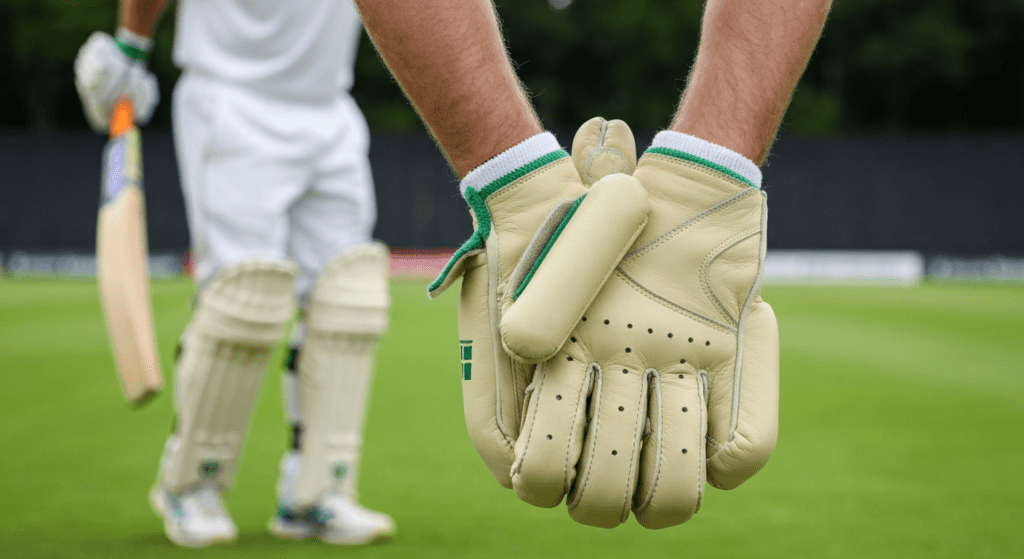
Proper care extends the life of cricket gloves and maintains their performance.
After each use, gloves should be aired out to prevent moisture buildup.
Avoid leaving gloves in direct sunlight or damp environments.
Cleaning should be done gently using a damp cloth; machine washing is generally not recommended.
Storing gloves in a well-ventilated bag helps preserve their shape and materials.
Evolution of Cricket Gloves Over Time
Cricket gloves have evolved significantly from their early designs. In the past, gloves were basic and offered minimal protection. Today, they are engineered with advanced padding systems, ergonomic designs, and lightweight materials. Professional players often customize gloves to suit their hand shape and playing style, highlighting the importance of innovation in modern cricket equipment.
Role of Cricket Gloves in Player Confidence
Confidence is a key factor in cricket performance, and gloves contribute significantly to it. Knowing that hands are well-protected allows batsmen to face fast bowling without hesitation. Wicketkeepers rely on gloves to make sharp catches and quick stumpings. This psychological advantage can often make the difference between success and failure on the field.
Cricket Gloves for Different Formats of the Game
Different formats of cricket place varying demands on gloves.
In Test cricket, durability and comfort are essential for long hours of play.
In One Day Internationals, gloves must balance protection and flexibility for aggressive stroke play.
In T20 cricket, lightweight gloves with excellent grip are preferred for quick scoring and dynamic movements.
Environmental and Weather Considerations
Weather conditions can affect glove performance. In hot climates, breathable gloves help manage sweat. In colder conditions, slightly thicker padding can provide warmth without sacrificing flexibility. Choosing gloves suited to the playing environment enhances comfort and performance.
Conclusion
Cricket gloves are an indispensable part of the game, providing protection, comfort, and confidence to players across all formats. From batting to wicketkeeping, the right gloves can significantly impact performance and safety. Understanding the different types, materials, and features helps players make informed choices and get the most out of their equipment. With proper care and selection, cricket gloves can serve as a reliable companion throughout a player’s cricketing journey.
FAQs
What are cricket gloves used for
Cricket gloves are used to protect the hands from impact, improve grip, and enhance comfort during batting and wicketkeeping.
How do I choose the right size of cricket gloves
Measure your hand and refer to the manufacturer’s size chart. Gloves should fit snugly without restricting movement.
Can beginners use professional cricket gloves
Yes, beginners can use professional gloves, but it is often better to start with affordable options and upgrade as skills improve.
How long do cricket gloves last
The lifespan depends on usage, quality, and maintenance. Regular players may need to replace gloves every season, while occasional players may use them for several years.
Are inner gloves necessary
Inner gloves are not mandatory, but they help absorb sweat, improve comfort, and extend the life of outer gloves.