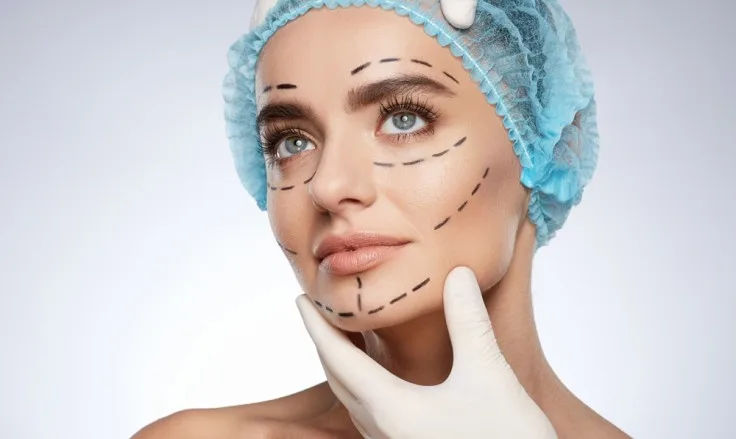
Cosmetic surgery is a popular way to change or improve certain parts of the body. Many people choose these procedures to feel more comfortable with their appearance. Others want to address changes caused by aging, weight loss, or pregnancy. Modern medical methods offer different options for facial and body improvements. Some treatments involve surgery, while others use smaller procedures. Each option has different benefits, costs, and recovery needs. However, making this choice requires careful thought. Patients should understand the possible results before making a decision. They should also learn about medical risks and safety measures. Choosing a qualified surgeon is one of the most important steps. This guide explains everything in simple language. It covers popular procedures, preparation, recovery, and important questions. The goal is to help readers make informed and confident decisions.
What Is Cosmetic Surgery?
Cosmetic surgery refers to medical procedures that change a person’s appearance. These procedures focus on improving the shape, size, or look of different body areas. People may choose treatment for their face, breasts, stomach, arms, or other areas. Some procedures remove extra skin or fat. Others change the shape of specific features. A surgeon may use different techniques based on the patient’s needs. The main goal is to create a result that looks natural and suits the person’s body. However, cosmetic surgery cannot promise perfection. Every patient has different body features and healing abilities. Results also depend on age, health, skin quality, and the procedure itself. A proper medical consultation helps patients understand what is possible. It also helps them decide whether surgery matches their personal goals.
Cosmetic Surgery at a Glance
| Category | Details |
| Main Topic | Cosmetic Surgery |
| Medical Field | Plastic and Aesthetic Surgery |
| Main Purpose | Improve physical appearance |
| Common Areas | Face, breasts, stomach, arms, and body |
| Popular Procedures | Rhinoplasty, liposuction, facelift, and tummy tuck |
| Treatment Types | Surgical and non-surgical |
| Suitable Candidates | People who meet medical and personal suitability requirements |
| Main Benefits | Changes in appearance and personal satisfaction |
| Possible Risks | Infection, bleeding, scarring, and anesthesia problems |
| Recovery Period | Depends on the treatment |
| Medical Professional | Qualified plastic surgeon |
| Important Requirement | Proper consultation and medical assessment |
1. Why Do People Choose Cosmetic Surgery?
People choose cosmetic procedures for many personal reasons. Some want to change a feature they have disliked for years. Others want to address loose skin after losing weight. Pregnancy and aging can also change the body’s shape. For example, a person may consider a tummy tuck after significant weight loss. Another person may explore nose surgery to change their nose’s shape. These decisions are different for everyone. Some people also hope to feel more comfortable in social situations. However, surgery should never be treated as a solution to every personal problem. A healthy decision starts with clear expectations. Patients should understand their reasons without pressure from friends, family, or social media. The best choice is one that supports their personal well-being and physical health.
2. Most Popular Types of Cosmetic Surgery
There are many procedures available for different body areas. Each treatment has its own purpose and method. Some focus on facial features, while others improve body shape. Rhinoplasty changes the appearance or structure of the nose. Liposuction removes selected fat deposits from certain body areas. A facelift addresses visible signs of facial aging. Breast augmentation changes breast size using implants or other suitable methods. A tummy tuck removes extra skin and may tighten weakened abdominal muscles. Eyelid surgery can improve the appearance of the upper or lower eyelids. These treatments are not suitable for everyone. A qualified surgeon must examine the patient’s health and goals first. Patients should also compare surgical options with less invasive treatments. Understanding these differences helps people make better choices.
3. Facial Cosmetic Procedures
Facial treatments are among the most recognized aesthetic procedures. They focus on areas such as the nose, cheeks, chin, eyes, and forehead. Rhinoplasty can change the shape of the nose. A facelift may reduce loose facial skin and improve certain aging signs. Eyelid surgery can remove extra skin around the eyes. Chin surgery may change the shape or balance of the lower face. Some patients also explore procedures that improve facial proportions. However, facial features naturally differ from person to person. A result that looks attractive on one individual may not suit another. Surgeons must consider facial structure, skin condition, and personal expectations. Patients should review realistic examples before treatment. A detailed consultation helps explain possible changes, limitations, and recovery needs.
4. Body Cosmetic Procedures
Body procedures focus on changing the shape or appearance of selected areas. Liposuction is used to remove stubborn fat deposits. A tummy tuck removes extra abdominal skin and may tighten underlying muscles. An arm lift can reduce loose skin around the upper arms. A thigh lift addresses excess skin around the thighs. Some patients consider body contouring after major weight loss. These procedures can create noticeable physical changes. However, they are not substitutes for healthy eating or regular exercise. Liposuction, for example, is not a general weight-loss treatment. Patients should understand what each procedure can realistically achieve. Their weight should also be stable when required. A surgeon can explain which option matches their body condition. They can also discuss possible scars, recovery time, and long-term care.
5. Breast Cosmetic Procedures
Breast procedures include several options for people seeking changes in breast shape or size. Breast augmentation uses implants or other suitable techniques to increase breast volume. Breast reduction removes tissue to create a smaller size. A breast lift raises and reshapes breasts that have lost firmness. Some people choose these treatments after pregnancy or major weight changes. Others have different personal reasons. Every procedure has specific benefits and possible complications. Implant-related treatments may also require future monitoring or additional surgery. Patients should ask about implant types, placement, expected lifespan, and replacement needs. They should also discuss possible changes in sensation and breastfeeding considerations. A qualified surgeon can explain the available choices. The final decision should always consider health, personal comfort, and realistic expectations.
6. Benefits of Cosmetic Surgery
Cosmetic procedures can offer several benefits when patients have suitable goals. They may improve body proportions or change features that cause personal discomfort. Some procedures can also remove extra skin after significant weight loss. This may make certain daily activities more comfortable. Facial treatments may create a fresher appearance for some patients. However, results vary between individuals. Not everyone experiences the same level of satisfaction. Some people feel more comfortable with their appearance after treatment. Others may need time to adjust to their new look. It is important to remember that physical changes do not automatically solve emotional or relationship problems. Good planning and honest medical advice matter greatly. Patients should focus on realistic improvements instead of chasing perfect results.
7. Possible Risks and Complications
Every surgical procedure carries some level of risk. Understanding these risks is an important part of making a safe decision. Possible complications include infection, bleeding, swelling, and visible scars. Some patients may experience changes in skin sensation. Problems related to anesthesia can also occur. Blood clots and slow wound healing are other possible concerns. Certain health conditions may increase these risks. Smoking and nicotine use can also affect healing. Some patients may need another operation if complications occur or results differ from expectations. These possibilities should be discussed before treatment. Patients must share their full medical history with their surgeon. They should also report all medicines and supplements. Never choose a procedure only because it appears inexpensive or convenient. Medical safety should always come first.
8. Who Is a Suitable Candidate?
Not everyone is a suitable candidate for cosmetic surgery. Good candidates generally have stable health and realistic expectations. They should understand the procedure and accept its possible risks. Their reasons for treatment should come from personal choice. Patients should not feel forced by another person. Age, medical history, weight, and lifestyle can affect suitability. Certain conditions may require extra medical checks before surgery. Smoking may also increase healing problems. Some procedures work best when body weight remains stable. Emotional readiness is equally important. Patients should feel comfortable asking questions and discussing concerns. A qualified surgeon can assess whether the expected benefits justify the risks. Sometimes, delaying treatment or choosing another option may be safer. The final decision should follow professional medical advice.
9. How to Choose the Right Cosmetic Surgeon
Choosing a qualified surgeon is one of the most important decisions. Patients should check the doctor’s medical qualifications and specialist training. They should confirm that the surgeon has experience with the specific procedure. Professional registration and relevant specialist certification should also be verified. Requirements vary between countries, so patients should check their local medical authorities. The clinic or hospital should have suitable facilities and trained staff. Ask where the operation will take place. Find out who will provide anesthesia and manage emergencies. Patients can also request before-and-after photographs of similar cases. However, photographs cannot guarantee the same results. A trustworthy surgeon explains both benefits and risks. They never promise perfect outcomes. Clear communication helps patients feel informed and prepared.
10. How to Prepare Before Surgery
Good preparation can make the treatment process easier. First, schedule a detailed consultation with your surgeon. Explain your goals, medical history, allergies, and previous operations. Share information about all medicines, vitamins, and supplements. Your medical team may request health checks or laboratory tests. Follow instructions about eating, drinking, and medication before the procedure. If you smoke or use nicotine, discuss stopping with your healthcare professional. Arrange transportation because you may not be able to drive afterward. You may also need help with household tasks during recovery. Prepare comfortable clothing and a clean resting area. Ask about expected pain, swelling, and activity restrictions. Preparation is not just about the operation itself. It also includes planning for safe healing at home.
11. What Happens During the Procedure?
The process depends on the type of treatment. Before surgery begins, the medical team reviews the treatment plan. They also check the patient’s health and confirm the procedure. Different forms of anesthesia may be used. Local anesthesia numbs a small area, while general anesthesia makes the patient unconscious. The choice depends on the operation and medical assessment. The surgeon then performs the planned procedure using suitable techniques. Some operations require small cuts, while others need larger incisions. The team monitors the patient’s condition throughout the operation. Afterward, the patient may spend time in a recovery area. Some people return home the same day. Others need hospital observation. The medical team provides instructions based on the treatment and individual needs.
12. Recovery After Cosmetic Surgery
Recovery is an important part of the treatment journey. The healing period depends on the procedure and the patient’s health. Swelling, bruising, tenderness, and tiredness can occur after surgery. These effects usually improve with time, but healing differs between individuals. Patients should follow their surgeon’s instructions carefully. They may need to rest, avoid heavy lifting, and limit certain movements. Some procedures require compression garments or special wound care. Follow-up appointments help the surgeon check healing progress. Patients should not rush back to work or exercise. Doing too much too soon may affect recovery. Contact the medical team if symptoms become concerning. Severe pain, breathing problems, chest pain, or unusual swelling require urgent medical attention. Patience and proper care support a safer recovery.
13. How Much Does Cosmetic Surgery Cost?
The cost of cosmetic procedures depends on several factors. These include the treatment type, surgeon’s experience, facility, and anesthesia requirements. Location can also affect the final price. More complex operations usually require greater medical resources. Some patients may also need follow-up care or additional treatment. Therefore, asking about the complete cost is important. Request a written estimate before making a decision. It should explain the surgeon’s fee, hospital charges, anesthesia, medicines, and other expenses. Patients should also ask about possible costs if complications occur. A very cheap offer may leave out important services. Never select a surgeon based on price alone. Quality medical care, suitable facilities, and proper aftercare deserve careful attention. Financial planning should be part of the decision.
14. Surgical and Non-Surgical Cosmetic Treatments
Not every appearance-related treatment requires an operation. Non-surgical options include certain skin treatments, laser procedures, and injectable treatments. These methods may help address selected concerns without traditional surgery. However, they still carry possible side effects and risks. Some treatments need repeated sessions to maintain results. Surgical procedures generally involve incisions, anesthesia, and a longer healing process. Non-surgical treatments may have shorter recovery periods, but their effects can vary. Neither option is automatically better for everyone. The right choice depends on the patient’s goals, health, and expectations. A qualified medical professional can explain suitable alternatives. Patients should also check the provider’s training and treatment setting. Even simple-looking aesthetic treatments deserve proper medical attention and safety planning.
15. Common Myths About Cosmetic Surgery
Many myths can create confusion about cosmetic procedures. One common belief is that surgery always produces perfect results. In reality, every person’s body heals differently. Another myth suggests that these treatments are only for older people. Adults of different ages may consider suitable procedures for different reasons. Some people also believe that liposuction is a quick way to lose weight. However, it is designed for body contouring rather than general weight reduction. Another misunderstanding is that all procedures are permanent. Aging and natural body changes can affect results over time. Patients should avoid making decisions based on social media pictures. Reliable medical advice is more useful than online promises. Learning the facts helps people understand both possibilities and limitations.
16. Questions to Ask Before Making a Decision
A consultation should be an open conversation. Patients should never feel uncomfortable asking questions about their treatment. Start by asking whether you are a suitable candidate. Find out how much experience the surgeon has with the procedure. Ask about the expected results and possible complications. Learn where the operation will take place. Confirm who will provide anesthesia and emergency care. Ask how long recovery may take and when normal activities can resume. Discuss the full cost and follow-up arrangements. It is also useful to ask what happens if the results are not satisfactory. Write your questions before the appointment. Take someone you trust if you need support. Clear answers can help you make a thoughtful decision.
17. How to Maintain Your Results
Maintaining results requires ongoing care and healthy habits. Follow your surgeon’s recovery instructions during the healing period. Avoid smoking and other habits that may affect skin health. Eat balanced meals and stay physically active when your doctor allows it. Protect your skin from excessive sunlight. Attend recommended follow-up appointments. Patients with breast implants or other medical devices may need specific monitoring. Remember that natural aging continues after treatment. Weight changes can also affect body shape. Some procedures may provide long-lasting results, while others need future care. There is no single routine that works for every patient. Ask your medical team for advice based on your treatment. Healthy habits support general well-being and may help preserve improvements.
Conclusion
Cosmetic surgery can help people change selected features and improve their appearance. It offers different options for the face, breasts, and body. However, every procedure comes with benefits, limitations, and possible risks. Patients should learn about the treatment before making a final decision. Choosing a qualified surgeon and an appropriate medical facility is essential. Good preparation and proper aftercare also matter. Most importantly, expectations should remain realistic. No procedure can guarantee perfection or solve every personal concern. Take time to compare your options and discuss them with a trusted medical professional. Your health and safety should always come first. If you found this guide helpful, share it with someone who may benefit from learning about aesthetic treatments.
Frequently Asked Questions (FAQs)
Q1. What is cosmetic surgery used for?
A. Cosmetic surgery is used to change or improve selected physical features. It can address the appearance of the face, breasts, and body. Common examples include nose reshaping, liposuction, breast augmentation, and tummy tucks. The right procedure depends on personal goals, medical suitability, and professional advice.
Q2. Is cosmetic surgery safe?
A. These procedures can be performed safely when patients receive proper medical care. However, no operation is completely risk-free. Possible problems include infection, bleeding, scarring, and anesthesia complications. Choosing a qualified surgeon and an appropriate medical facility helps reduce avoidable risks. Patients should understand all possible complications before treatment.
Q3. What is the most common cosmetic surgery procedure?
A. Popular procedures include liposuction, breast augmentation, rhinoplasty, tummy tucks, and eyelid surgery. Their popularity can change between countries and years. The most suitable option depends on individual needs. A surgeon can explain which procedure may help achieve a patient’s specific goals.
Q4. How long does recovery take after cosmetic surgery?
A. Recovery time depends on the type of procedure and the patient’s health. Smaller treatments may need only a short healing period. Larger operations can require several weeks or longer. Swelling may continue for months. Patients should follow medical instructions and avoid returning to strenuous activities too early.
Q5. Does cosmetic surgery leave permanent scars?
A. Many surgical procedures involve incisions, which can leave permanent scars. Surgeons usually place cuts carefully to make scars less noticeable when possible. Scar appearance depends on skin type, surgical technique, and healing. Proper wound care and follow-up visits can help support healthy healing.
Q6. How do I choose the best cosmetic surgeon?
A. Start by checking the surgeon’s qualifications, specialist training, and experience. Confirm that they are legally registered and qualified for the procedure in your country. Ask about surgical facilities, anesthesia, risks, and recovery. Review suitable before-and-after photographs. Choose someone who answers questions honestly and never promises perfect results.