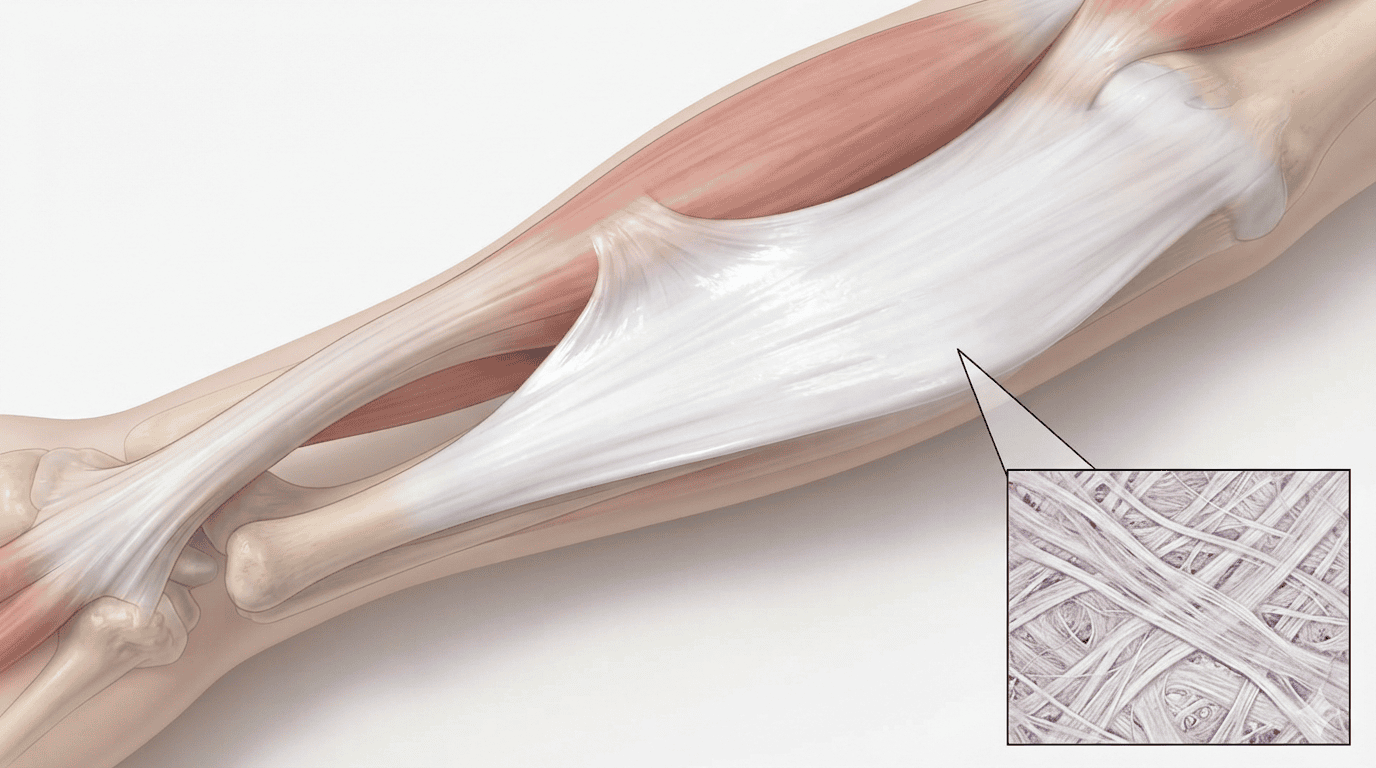
Have you ever wondered what holds your muscles together? Deep inside your body, you have special tissues called an aponeurosis. Think of an aponeurosis as a flat, wide, and strong sheet of tissue. While regular tendons look like thick ropes, an aponeurosis is shaped more like a flat ribbon. Its main job is to connect muscles to bones or to other muscles. By acting like a strong bridge, an aponeurosis helps your body move smoothly and keeps everything in its right place. It is a vital part of your anatomy that you likely use every single day without even realizing it. Learning about your own body is a great way to understand how you stay strong and active.
Understanding the Basics: Aponeurosis vs Tendon
People often ask about the difference when looking at an aponeurosis vs tendon. The main difference is the shape. A tendon is like a thick, round rope that attaches a muscle to a bone. In contrast, an aponeurosis is a wide, flat sheet of fibrous tissue. Even though they look different, they are both made of the same tough material. This material helps transfer the power from your muscles to your skeleton. Without this specific aponeurosis structure, your muscles would struggle to stay attached. It is fascinating to see how the body uses different shapes to perform different jobs. Understanding these parts helps you see how well-designed your body truly is.
Table of Contents
The Epicranial Aponeurosis: Protecting Your Head
If you touch the top of your scalp, you are near the epicranial aponeurosis. This is a large, flat sheet that covers the top of your skull. It connects the front and back parts of your scalp muscles. The epicranial aponeurosis acts like a cap that keeps your scalp skin sitting firmly on your head. Because it is so wide, it helps distribute tension across your skull. Without the epicranial aponeurosis, moving your eyebrows or wrinkling your forehead would be much harder. It is one of the most interesting parts of your head because it is so thin yet very strong.
Support from the Plantar Aponeurosis
Have you ever thought about how your feet support your whole body? The plantar aponeurosis is a thick band of tissue on the bottom of your foot. It runs from your heel to your toes. This plantar aponeurosis works like a spring as you walk or run. It helps hold up the arch of your foot and protects the nerves and blood vessels underneath. If you have ever felt foot pain after a long day, it might be related to this area. Keeping the plantar aponeurosis healthy is very important for standing, walking, and playing sports every day.
The Bicipital Aponeurosis and Your Arm
When you bend your elbow, you are using the bicipital aponeurosis. This is a flat sheet that comes off your bicep muscle. It spreads out to help stabilize the muscles in your forearm. The bicipital aponeurosis is special because it helps lower the pressure on your elbow joint when you lift something heavy. It acts like a helper, making sure the force of the muscle is spread out evenly. This tiny but mighty aponeurosis allows you to perform tasks like picking up a heavy bag or throwing a ball with more control and safety.
The Palmar Aponeurosis in Your Hand
Your hands are very busy every single day. The palmar aponeurosis is a triangular sheet of tissue located in the palm of your hand. It protects the structures underneath, like the nerves and blood vessels that help your fingers feel and move. This palmar aponeurosis also helps you grip things tightly. Whether you are holding a pencil or a tennis racket, this tissue keeps your skin and muscles stable. It is amazing how much work this thin sheet does to make sure your hands work exactly the way you want them to.
The Role of the Abdominal Aponeurosis
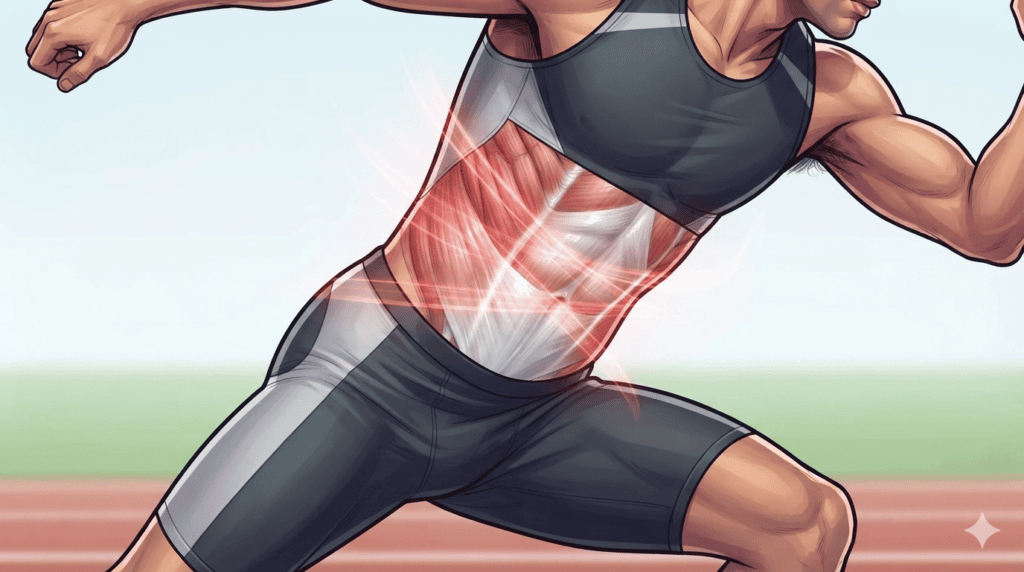
Your stomach muscles need a way to connect, and that is where the abdominal aponeurosis comes in. This sheet covers your belly area and keeps your core muscles tight. It is actually a complex system where muscles meet in the middle. The abdominal aponeurosis helps protect your organs while allowing you to twist and bend. Because it is so wide, it gives your stomach muscles a broad surface to pull against. This is what helps you sit up, turn your body, and maintain good posture while you are sitting at your desk.
The Aponeurosis of External Oblique
Part of your core involves the aponeurosis of external oblique. This specific sheet is part of the side muscles that help you rotate your torso. The external oblique aponeurosis is strong and flexible, which is very important for sports or just reaching for something on a high shelf. By spreading out, the external oblique aponeurosis ensures that your side muscles can pull safely without tearing. It is a vital piece of the puzzle for a healthy back and core. Staying active helps keep this area moving well and feeling strong throughout your life.
The Thoracolumbar Aponeurosis and Your Back
The thoracolumbar aponeurosis is a huge sheet of tissue found in your lower back. It connects many different muscles, including those in your hips and your spine. This thoracolumbar aponeurosis acts like a heavy-duty support belt for your entire body. When you lift something heavy, this tissue helps keep your back stable and safe. It is one of the most important parts for keeping your spine upright. Because it covers such a large area, the thoracolumbar aponeurosis is key to making sure your upper body and lower body work as one team.
Why Aponeuroses Matter for Movement
Every aponeurosis in your body has a specific job to do. They are not just static sheets; they are dynamic parts of your movement. By connecting muscles to bone or other tissues, an aponeurosis creates a system of pulleys and levers. This system allows you to run, jump, and grab things with ease. Without these flat ribbons, your body would have a much harder time handling the forces of gravity and movement. Whether it is in your head, your back, or your feet, each aponeurosis works silently to keep you moving comfortably.
Caring for Your Body’s Tissues
To keep your tissues healthy, movement is key. Gentle stretching and regular exercise help your muscles and the attached aponeurosis stay flexible. If you sit for a long time, take breaks to move your back and stretch your arms. Drinking plenty of water also helps your body tissues stay healthy and hydrated. If you ever feel sharp pain, it is always a good idea to talk to a doctor or a physical therapist. They can help you understand how to keep your body in top shape so you can keep doing the things you love.
FAQs
1. Is an aponeurosis a bone?
No, it is not a bone. An aponeurosis is a flat, strong sheet of fibrous tissue that connects muscles.
2. What is the main job of an aponeurosis?
Its main job is to connect muscles to bones or other muscles, helping your body move and stay stable.
3. How is an aponeurosis different from a tendon?
A tendon is shaped like a thick rope, while an aponeurosis is shaped like a wide, flat sheet.
4. Can an aponeurosis get injured?
Yes, like any other tissue, it can get strained or inflamed if it is overworked or stretched too far.
5. Where can I find an aponeurosis in my body?
You have them in many places, including your scalp, your feet, your palms, your back, and your stomach area.
6. Why is it called an aponeurosis?
The name comes from ancient words meaning “away from” and “sinew,” describing how it spreads out away from a muscle.
Conclusion
To wrap things up, your body is an amazing machine held together by incredible structures. From the thoracolumbar aponeurosis supporting your back to the palmar aponeurosis helping you grip, these flat tissues work hard every single day. By understanding the difference between an aponeurosis vs tendon and how they help your muscles function, you gain a better appreciation for your own anatomy. Taking care of your body through movement and smart habits ensures these tissues stay flexible and strong for years to come.