Transportation plays a vital role in connecting people, goods, and services across India. Among the various agencies and departments managing transportation, Parivahan stands out as the primary authority overseeing road transport operations. Managed under the Ministry of Road Transport and Highways (MoRTH), Parivahan ensures that transport regulations, vehicle registration, licensing, and road safety standards are implemented efficiently.
The word “Parivahan” itself translates to “transport” in Hindi, emphasizing its importance in ensuring smooth mobility throughout the country. In this article, we explore the functions, features, and services of Parivahan, as well as its impact on daily life in India.
The Role of Parivahan in Road Transport
Parivahan plays a central role in the administration of road transport services. Its responsibilities cover a broad spectrum, including:
- Vehicle Registration – Every vehicle in India must be registered with the transport department. Parivahan manages this registration process to ensure vehicles comply with legal and safety standards. This includes issuing registration certificates (RC) and assigning unique vehicle numbers.
- Driving Licenses – One of the essential services of Parivahan is issuing driving licenses. This ensures that drivers meet legal requirements and are qualified to operate vehicles on Indian roads. The department also conducts driving tests and maintains records of licensed drivers.
- Road Safety and Regulation – Parivahan enforces traffic rules and regulations to ensure road safety. By monitoring compliance with standards like speed limits, emission norms, and vehicle fitness, the department reduces accidents and promotes responsible driving.
- Permit Issuance – Commercial vehicles need permits to operate legally. Parivahan manages various permits, such as passenger transport permits and goods vehicle permits, regulating the transportation of people and cargo across states.
- Vehicle Insurance Verification – Insurance is mandatory for all vehicles in India. Parivahan collaborates with insurance authorities to verify and maintain insurance records for vehicles to prevent illegal operations.
Digital Transformation in Parivahan
In recent years, Parivahan has embraced digital technology to simplify and streamline its services. The introduction of the Parivahan Sewa Portal and VAHAN and SARATHI systems has revolutionized how citizens interact with transport authorities.
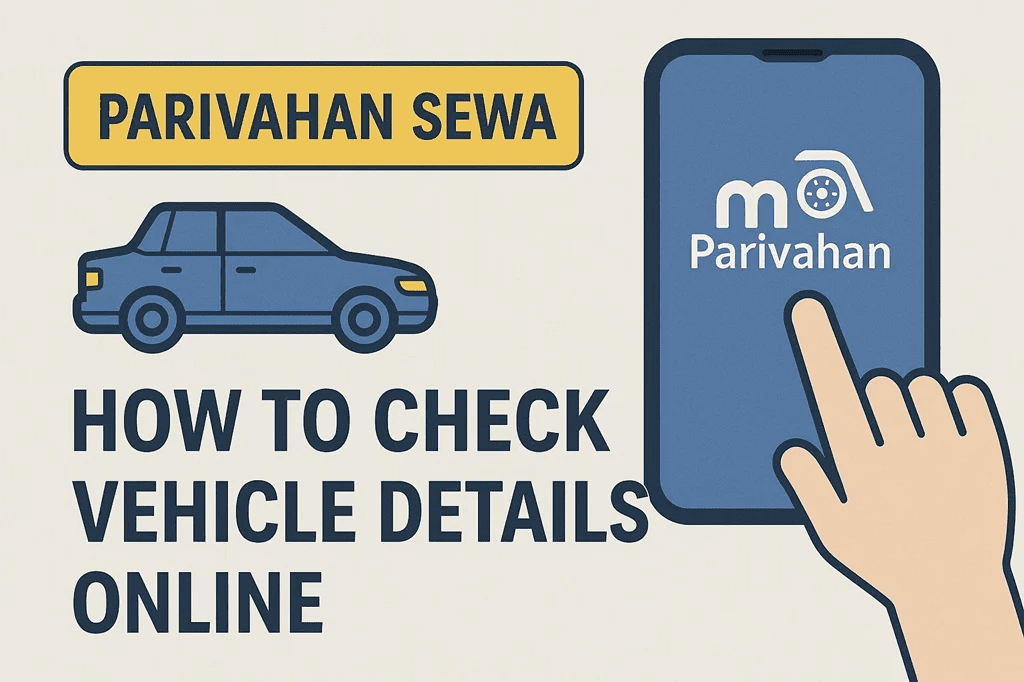
- VAHAN System – VAHAN is an integrated vehicle registration and management system. Citizens can check vehicle details, ownership history, and insurance information online. It also allows for the digital transfer of vehicle ownership and management of fitness certificates.
- SARATHI System – SARATHI focuses on driver-related services, including the issuance of learner’s licenses, driving licenses, and duplicate licenses. The system also allows citizens to schedule driving tests and access their driving records online.
- Online Services – Through Parivahan’s online portal, citizens can now apply for vehicle registration, permits, and licenses without physically visiting offices. This digital approach has reduced administrative delays and made transportation services more accessible.
Benefits of Parivahan Services
Parivahan provides multiple benefits to citizens, the government, and the overall transportation ecosystem:
- Enhanced Efficiency – Digital systems reduce paperwork and streamline administrative processes, saving time for both authorities and citizens.
- Transparency – Online systems ensure transparency in vehicle registration, licensing, and permit issuance, minimizing corruption and manual errors.
- Safety and Compliance – By maintaining a database of licensed drivers and registered vehicles, Parivahan improves compliance with road safety regulations.
- Accessibility – Citizens in remote areas can access Parivahan services online, bridging the gap between urban and rural transport management.
- Revenue Collection – Vehicle registration fees, road taxes, and permit charges collected through Parivahan contribute significantly to state and national revenue.
Parivahan and Road Safety Initiatives
Road safety is one of the top priorities of Parivahan. India has one of the highest road accident rates globally, and the department takes several initiatives to minimize these numbers:
- Driver Education – Parivahan conducts campaigns and awareness programs on safe driving practices.
- Fitness Inspections – Periodic vehicle inspections ensure that only roadworthy vehicles are operational, reducing mechanical failures on highways.
- Enforcement of Traffic Rules – Strict enforcement of traffic rules, including fines for violations like speeding, drunken driving, and overloading, helps maintain order on roads.
- Accident Data Analysis – Parivahan maintains a database of road accidents and uses the data to identify high-risk zones and implement corrective measures.
Parivahan for Commercial Transportation
Commercial transport forms the backbone of India’s economy, and Parivahan plays a crucial role in regulating this sector:
- Goods Transport – Parivahan ensures that trucks and commercial vehicles carrying goods have the necessary permits and adhere to weight limits. This regulation prevents road damage and promotes fair competition.
- Passenger Transport – Buses, taxis, and other public transport vehicles must comply with safety and permit regulations to protect passengers. Parivahan ensures that operators follow all legal requirements.
- E-commerce and Logistics – With the rise of e-commerce, efficient commercial transport has become vital. Parivahan’s regulations help maintain timely and safe delivery of goods.
Challenges Faced by Parivahan
Despite its successes, Parivahan faces several challenges:
- Traffic Congestion – Urban centers continue to struggle with traffic congestion, making the implementation of regulations more difficult.
- Corruption and Illegal Operations – Some areas still experience illegal vehicle registration and unlicensed driving, which Parivahan continues to combat.
- Infrastructure Gaps – Adequate infrastructure, like well-equipped transport offices and inspection facilities, is essential for smooth operations. Rural areas often face infrastructure challenges.
- Public Awareness – Many citizens are still unaware of online services and proper transport regulations, limiting the effectiveness of Parivahan initiatives.
How Parivahan Impacts Daily Life
Parivahan touches the daily lives of millions of Indians in multiple ways:
- Commuting – Proper licensing and vehicle registration ensure safer and more regulated commuting for the public.
- Business Operations – Businesses rely on commercial transport for logistics, and Parivahan ensures legal compliance.
- Legal Protection – By enforcing insurance and permits, Parivahan protects vehicle owners and passengers legally.
- Time-Saving – Digital services reduce the need to wait in long queues at transport offices, saving time for citizens.
The Future of Parivahan
Parivahan is moving towards a more technology-driven and citizen-centric approach. Some of the key future initiatives include:
- Integration with Smart Cities – Linking transport data with urban traffic management systems to reduce congestion.
- AI and Automation – Utilizing artificial intelligence to monitor traffic violations, optimize traffic flow, and enhance safety.
- Green Transport Initiatives – Promoting electric vehicles and monitoring emissions to reduce pollution.
- Expanded Digital Services – Offering more services online, including real-time vehicle tracking, digital permits, and automated renewals.
Conclusion
Parivahan plays a pivotal role in shaping India’s transportation system, ensuring that vehicles, drivers, and commercial transport operate within legal and safety standards. Its initiatives—from vehicle registration and licensing to digital services like VAHAN and SARATHI—have modernized road transport management, making it more efficient, transparent, and accessible. By focusing on road safety, regulatory compliance, and technological innovation, Parivahan not only facilitates smoother commuting and commercial operations but also contributes to public safety and national development. As India continues to grow, the ongoing modernization and digitalization of Parivahan services will remain critical in supporting safe, efficient, and sustainable transportation for all citizens.
FAQs
Q1: What is Parivahan?
Parivahan is the government department responsible for road transport management in India, including vehicle registration, licensing, permits, and road safety enforcement.
Q2: How can I check my vehicle details in Parivahan?
You can use the VAHAN system on the Parivahan Sewa Portal to access vehicle registration, insurance, and ownership information online.
Q3: How do I apply for a driving license?
The SARATHI system allows citizens to apply for learner’s and permanent driving licenses, schedule tests, and track application status digitally.
Q4: What services does Parivahan provide online?
Parivahan offers online vehicle registration, license issuance, permits, fee payments, and record updates.
Q5: How does Parivahan improve road safety?
Through driver education, vehicle inspections, traffic rule enforcement, and accident data analysis, Parivahan works to reduce accidents and promote safe driving practices.
Q6: Can I get commercial permits through Parivahan?
Yes, both passenger and goods vehicle permits can be applied for and managed online or at transport offices under Parivahan’s guidelines.
Q7: What are the benefits of Parivahan’s digital services?
Digital services enhance efficiency, transparency, and accessibility while reducing administrative delays and promoting legal compliance.